
10 Simplest Exercises to Reduce Belly Fat
Carrying excess weight around the midsection is one of the most common fitness frustrations. Beyond the aesthetics, accumulating abdominal fat, specifically visceral fat presents severe health risks. Visceral fat wraps around internal organs. It is closely associated with systemic low-grade inflammation, insulin resistance, type 2 diabetes, and cardiovascular diseases.
If you are trying to lean out, you have likely run into standard advice telling you to do endless crunches. However, sports science reveals a different truth: spot reduction is a myth. To burn fat from your stomach, you must engage in full-body exercises that elevate your heart rate, maximize energy expenditure, and trigger lipolysis (the breakdown of fat cells).
In this article, we outline the 10 exercises to reduce belly fat, thoroughly backed by clinical research and exercise physiology. The best thing is they are easy to do and most of the exercises can be performed easily.
Understanding the Science of Belly Fat Loss
Before diving into the movements, it is vital to understand how exercise alters body composition. Abdominal fat is divided into two types:
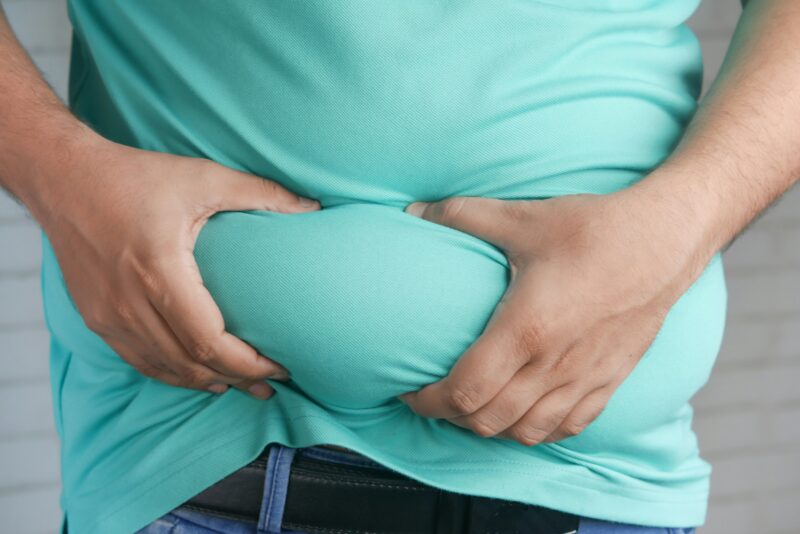
- Subcutaneous Fat: The pinchable fat sitting right underneath your skin.
- Visceral Fat: The deep, metabolic fat stored around your organs.
Clinical trials demonstrate that regular exercise can significantly reduce visceral fat even in the absence of dramatic weight loss on the scale. Furthermore, high-intensity variations can stimulate the secretion of catecholamines (burning hormones like epinephrine), which are highly efficient at targeting visceral fat receptors.
As established in our previous blogs on sustainable weight loss, permanent changes require a synergy of continuous physical movement and a clean, nutrient-dense diet.
Exercises:
These ten exercises require minimal to no equipment, making them incredibly simple to integrate into your daily routine.
Brisk Walking
Target Area: Full-body cardiovascular conditioning.
- Why It Works: While it feels simple, walking is a potent weapon against abdominal adiposity. A comprehensive meta-analysis revealed that aerobic exercise is central for programs aimed at reducing visceral fat, and even lower-energy continuous movement can yield highly beneficial modifications to your waistline.
- Method: Walk at a fast pace (where you can talk but not sing) for 30 to 45 minutes, 4–5 days a week.
High-Intensity Interval Sprinting (HIIT)
Target Area: Fast-twitch muscle fibers, metabolic conditioning.
- Why It Works: High-Intensity Interval Training (HIIT) produces comparable and often more time-efficient, reductions in total abdominal fat mass when compared to traditional, hours-long cardio sessions. It spikes your post-exercise oxygen consumption (EPOC), meaning you continue to burn calories hours after the workout is over.
- Method: Sprint at maximum effort for 30 seconds, followed by 60 seconds of slow walking. Repeat for 15 to 20 minutes.
Bodyweight Squats
Target Area: Quadriceps, glutes, core, and hamstrings.
- Why It Works: Large muscle groups burn the most energy. Squats recruit your entire lower body, demanding massive oxygen and glucose consumption. This systemic energy draw forces your body to tap into stored fat reserves for recovery.
- Method: Stand with feet shoulder-width apart. Lower your hips back and down as if sitting in a chair. Keep your chest up and drive through your heels to return to standing. Perform 3 sets of 15–20 repetitions.
Mountain Climbers
Target Area: Abdominal wall, shoulders, and cardiovascular endurance.
- Why It Works: This dynamic movement acts as a moving plank. It keeps your deep core stabilizing muscles constantly engaged while rapidly elevating your heart rate into a fat-burning zone.
- Method: Start in a high plank position. Alternately drive your knees toward your chest as fast as possible while maintaining a flat back. Do this for 40 seconds, followed by 20 seconds of rest. Repeat 4 times.
Bicycle Crunches
Target Area: Rectus abdominis and obliques (side abs).
- Why It Works: While crunches will not burn fat off the stomach by themselves, building structural abdominal strength is essential. Bicycle crunches require rotational movement, activating the obliques and tightening your core corset as the subcutaneous fat layer shrinks.
- Method: Lie flat on your back, hands behind your head. Lift your shoulders off the floor, bring your right elbow to your left knee while extending the right leg, and alternate in a fluid cycling motion. Complete 3 sets of 20 reps per side.
Kettlebell Swings (or Dumbbell Swings)
Target Area: Posterior chain (glutes, hamstrings) and core.
- Why It Works: The explosive nature of the swing blends resistance training with explosive aerobic conditioning. Meta-analyses demonstrate that combining resistance elements with aerobic principles yields optimal structural body composition improvements.
- Method: Stand over a weight, hinge at your hips, grip the weight, and explosively snap your hips forward to swing the weight to chest height. Control the descent back into a hip hinge. Perform 4 sets of 15 reps.
Jumping Jacks
Target Area: Full-body aerobic system.
- Why It Works: Jumping jacks are a foundational plyometric tool that increases your metabolic rate instantly. They are excellent for maintaining a high caloric burn between slower resistance movements.
- Method: Perform continuous jumping jacks at a steady, rhythmic pace for 60 seconds. Rest for 30 seconds and repeat for 3–5 rounds.
Stationary Plank
Target Area: Transverse abdominis (deep core stabilization).
- Why It Works: To safely execute any exercise to reduce belly fat, you need structural core strength. Planks strengthen the deep abdominal wall that holds your internal organs in place, narrowing the waistline and correcting pelvic tilt.
- Method: Hold a forearm plank position, keeping your body in a perfectly straight line from head to heels. Squeeze your glutes and abs tightly. Hold for 30 to 60 seconds for 3 sets.
Reverse Crunches
Target Area: Lower rectus abdominis.
- Why It Works: Traditional crunches often strain the neck and over-engage the hip flexors. Reverse crunches specifically tilt the pelvis upward, isolating the lower region of the abs where stubborn subcutaneous fat tends to sit.
- Method: Lie on your back with your hands at your sides, knees bent at 90 degrees. Use your lower abs to pull your knees toward your chest, lifting your hips slightly off the floor. Lower back down with absolute control. Perform 3 sets of 12–15 reps.
Burpees
Target Area: Total body power and cardiovascular capacity.
- Why It Works: The burpee is arguably the ultimate bodyweight fat-burner. It moves you through a push-up, a squat, and a vertical jump in one continuous motion. The sheer volume of oxygen required for this compound movement makes it an invaluable addition to any fat-loss regime.
- Method: From a standing position, drop into a squat, jump your feet back into a plank, perform a push-up, jump your feet forward back into a squat, and explosively jump into the air. Aim for 3 sets of 10–12 burpees.
Consistency and Progression Matter Most
Clinical research emphasizes that the magnitude of abdominal fat loss is strictly tied to your total energy expenditure and adherence over time. Simply doing an exercise once or twice will not alter your physiology; you must choose the movements you enjoy enough to perform week after week.
Tips to Maximize Your Results
To guarantee that your hard work translates to a leaner stomach, keep these three foundational factors in mind:
- Incorporate Metabolic Resistance: Don’t just rely on cardio. Resistance exercises protect your lean muscle mass during weight loss, keeping your resting metabolic rate higher.
- Gradually Increase Intensity: As your body adapts, increase the intensity of your workouts. Studies note that higher-intensity exercises are highly associated with greater reductions in visceral fat area compared to low-effort routines.
- Manage Stress and Sleep: High stress yields elevated cortisol, a hormone that instructs your body to preferentially store visceral fat around your midsection. Pair your routine with 7–8 hours of quality sleep.
Reducing belly fat does not require overly complicated gym machines or risky fat-burner supplements. By combining simple, high-yield movements like brisk walking, bodyweight squats, and intense interval bursts, you trigger systemic fat oxidation that shrinks both visceral and subcutaneous fat depots.
Pick 3 to 4 of the exercises above, create a circuit, and commit to moving at least 3 to 4 times a week. Your health, energy levels, and waistline will thank you.