
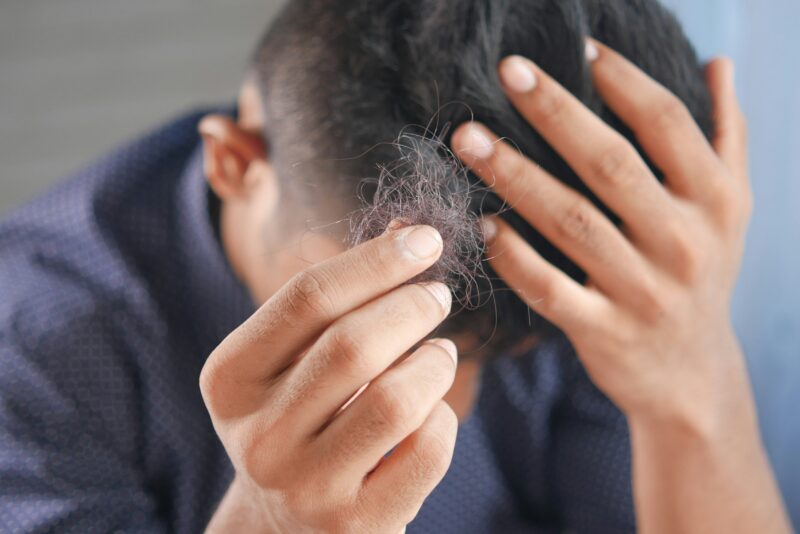
Hair Fall Control: 10 Science-Backed Ways That Actually Work
One of the biggest hair fall concerns worldwide and despite the many tips available on the Internet, not all of them work. According to the American Academy of Dermatology, normal hair fall ranges from 50 to 100 strands every day.
The good news is that science is on your side.
In the following article, we will discuss the 10 ways to help you manage hair fall with scientific evidence.

01. Optimize Your Protein Intake
Hair is primarily made of keratin, a protein. Low protein intake can push hair follicles into the resting phase, increasing shedding.
Research Insight:
A study in Dermatology Practical & Conceptual found protein deficiency is linked to hair loss.
What to do:
- Include eggs, fish, lentils, and yogurt
- Aim for balanced daily protein intake
02. Fix Nutrient Deficiencies
Micronutrient deficiencies are a major cause of hair loss, especially in women.
Evidence:
- Iron deficiency is strongly linked to telogen effluvium
- Low Vitamin D affects follicle cycling
Best sources:
- Iron: Spinach, red meat
- Vitamin D: Sunlight, fortified foods
- Zinc: Nuts, seeds
03. Use Mild, Sulfate-Free Shampoos
Harsh shampoos strip natural oils, weakening hair shafts.
Dermatologist Insight:
Frequent use of strong surfactants can increase breakage and scalp irritation.
Tip:
Choose gentle, sulfate-free formulas and avoid overwashing (2–3 times/week is enough).
04. Scalp Massage Improves Hair Growth
Massaging your scalp increases blood circulation, delivering nutrients to hair follicles.
Study Finding:
A 2016 study showed 4 minutes of daily scalp massage improved hair thickness over 24 weeks.
05. Try Minoxidil
Minoxidil is one of the FDA-approved treatments for hair loss.
How it works:
- Prolongs the growth phase (anagen)
- Improves follicle size
Note:
Consistency is key. Results take 3–6 months.
06. Use Natural Oils
Some natural oils actually have scientific backing.
Examples:
- Coconut oil reduces protein loss in hair
- Rosemary oil may improve hair growth (comparable to minoxidil in some studies)
How to use:
Apply 2–3 times weekly and massage gently.
07. Reduce Stress Levels
Stress triggers telogen effluvium, a condition where hair prematurely enters the shedding phase.
Scientific Insight:
Stress hormones like cortisol disrupt the hair growth cycle.
What helps:
- Exercise
- Meditation
- Proper sleep (7–8 hours)
08. Avoid Heat & Chemical Damage
Excessive styling weakens hair proteins.
Common culprits:
- Straighteners
- Curling irons
- Chemical treatments
Tip:
Limit heat styling and always use a heat protectant.
09. Address Hormonal Imbalances
Hormonal issues like:
- PCOS
- Thyroid disorders
- Androgenetic alopecia
…can significantly increase hair fall.
Action step:
Consult a doctor if hair loss is sudden or severe.
10. Maintain a Healthy Scalp
A healthy scalp = healthy hair growth.
Common issues:
- Dandruff
- Fungal infections
- Excess oil buildup
Fix it:
- Use anti-dandruff shampoos if needed
- Keep scalp clean but not overwashed
When to See a Doctor
Seek medical advice if you notice:
- Sudden or patchy hair loss
- Hair falling in clumps
- Thinning with fatigue or weight changes
Early diagnosis can prevent permanent damage.