

Vitamin D Deficiency: The Silent Epidemic Nobody Is Talking About
Imagine a health crisis so stealthy that it affects roughly 1 billion people worldwide. But still its early warnings are routinely brushed off as just modern stress. It does not arrive with a sudden fever or a dramatic breakout. Instead, it chips away at your energy. Quietly undermines your skeletal structure, and slowly rewires your immune responses from behind the scenes.
This is not a hypothetical scenario. This is the reality of vitamin D deficiency, a true global pandemic hiding in plain sight.
Despite our access to advanced nutrition and wellness education, clinical data reveals that an estimated 30% to 50% of the global population suffers from suboptimal vitamin D levels (Amrein et al., 2020; Cui et al., 2023). Because its initial symptoms are highly generalized, millions of individuals live their lives operating at half-capacity, entirely unaware that a fundamental hormone deficiency is pulling the strings.
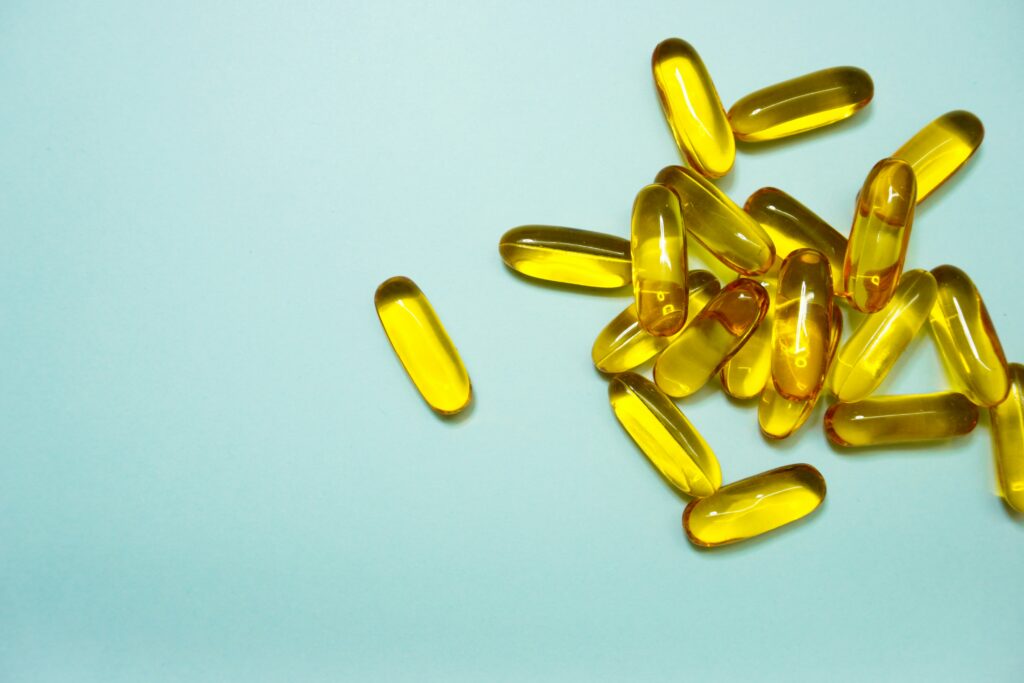
The Biological Blueprint: Why Vitamin D Isn’t Just a Vitamin
To understand why a lack of this nutrient is so catastrophic, we must first correct a common misnomer. Vitamin D is not technically a vitamin; it is a secosteroid prohormone. While vitamins are cofactors that your body cannot synthesize internally. Vitamin D is manufactured directly within your skin in response to ultraviolet B (UVB) radiation from sunlight.
Once synthesized or ingested, it undergoes two vital chemical transformations (hydroxlations):
- In the Liver: It is converted into 25-hydroxyvitamin D [25(OH)D], which is the highly stable, major circulating form measured by doctors during routine blood tests (Wang et al., 2017).
- In the Kidneys: It is further metabolized into 1,25-dihydroxyvitamin D [1,25(OH)2D], the biologically active steroid hormone that binds to Vitamin D Receptors (VDR) scattered across almost every major organ and tissue system in the human body.
[Sunlight / Diet] ➔ [Skin Synthesis] ➔ [Liver: 25(OH)D] ➔ [Kidneys: Active 1,25(OH)2D] ➔ [Binds to VDR Receptors]
Because these receptors exist globally within our biology, active vitamin D acts as a master genetic switch. It influences the expression of hundreds of genes that govern calcium absorption, systemic inflammatory cascades, cellular replication, and immune system modulation. When your levels drop, it is not just your bones that notice; your entire genetic infrastructure experiences a subtle disruption.
Anatomy of a Silent Crisis: The Hidden Symptoms
The primary reason vitamin D deficiency earns its title as a silent epidemic is that its presentation is incredibly deceptive. You will rarely wake up with an acute sign pointing directly to a nutrient deficit. Instead, the body drops subtle hints that are frequently misattributed to aging, overworking, or poor sleep hygiene.
01. Chronic, Unexplained Fatigue
If you wake up feeling exhausted despite getting a full eight hours of sleep, your cellular energy pathways might be compromised. Clinical studies demonstrate a direct correlation between profoundly low serum 25(OH)D levels and self-reported severe fatigue, a symptom that frequently reverses completely upon targeted supplementation.
02. Recurrent Infections and Immune Fragility
Do you seem to catch every cold, flu, or respiratory bug that passes through your workplace? Active vitamin D is a critical regulator of both innate and adaptive immunity. It directly upregulates the transcription of endogenous antimicrobial peptides, such as cathelicidin, in your airway epithelial cells, acting as your respiratory system’s frontline defense force. Without it, your immune system is forced to fight with its hands tied.
03. Persistent Bone Ache and Muscle Weakness
Vitamin D is completely non-negotiable for efficient intestinal absorption of calcium and phosphorus, a chronic deficit forces your body to leach calcium directly from your skeletal framework. This results in a localized dull, throbbing ache in the shins, lower back, or pelvis, alongside proximal muscle weakness that makes climbing stairs feel unusually taxing.
The Stark Numbers: Prevalence and High-Risk Demographics
To emphasize the sheer scale of this crisis, we must look at the epidemiologic data. A massive pooled analysis tracking 7.9 million participants across 60 countries. It demonstrated that lower-middle-income countries face an astronomical deficiency prevalence of roughly 26.7%. Although high-income countries are far from immune, averaging a 15.1% absolute deficiency rate.
Certain demographic groups face a vastly elevated risk profile due to biological and environmental mechanics:
- Darker Skin Pigmentation: Melanin acts as a highly effective natural sunscreen. Individuals with darker skin tones require significantly longer periods of sun exposure to synthesize the same quantity of vitamin D as lighter-skinned individuals (Roth et al., 2018).
- The Aging Population: As we age, our skin’s concentration of 7-dehydrocholesterol (the direct precursor to vitamin D) drops precipitously. A typical 70-year-old exhibits an approximate 75% reduction in their capacity to produce vitamin D compared to a young adult.
- Obesity: Vitamin D is a highly fat-soluble molecule, excess adipose tissue acts as a metabolic sink, actively sequestering the nutrient within fat cells and preventing it from entering systemic circulation efficiently.
Beyond the Bones: The Long-Term Health Risks
While the skeletal ramifications of a severe deficit, such as rickets in children and osteoporosis or osteomalacia in adults have been understood for a century. Contemporary medical science is uncovering much darker links to chronic metabolic and systemic illnesses.
Cardiovascular Malfunction and Metabolic Disorders
Emerging longitudinal data has strongly correlated low serum levels with an elevated risk of insulin resistance, type 2 diabetes, and hypertension. In fact, specialized meta-analyses indicate that for every 10 nmol/L increase in baseline serum 25(OH)D, there is an associated 4% reduction in type 2 diabetes risk. Conversely, a 10 ng/mL drop is linked to a notable surge in adverse cardiovascular events.
All-Cause Mortality and Oncological Risks
Perhaps the most sobering data lies in long-term survivability statistics. Large-scale epidemiological assessments reveal that maintaining a serum 25(OH)D concentration below 20 ng/mL is closely associated with a 30% to 50% increased risk of incident colon, prostate, and breast malignancies, alongside higher overall mortality rates from these specific conditions (Wang et al., 2017). Conversely, clinical meta-analyses demonstrate that optimized vitamin D3 administration is associated with an approximate 7% reduction in all-cause mortality and a 13% drop in absolute cancer mortality (Amrein et al., 2020).
Reversing the Trend: A Practical Action Plan
Defeating this silent epidemic requires moving away from guesswork and adopting a strategic, systematic approach to optimization.
Step 1: Establish Your Baseline via Testing
Never supplement blindly. Request a Serum 25-hydroxyvitamin D [25(OH)D] blood test from your healthcare provider. Medical societies generally categorize the results as follows:
| Serum Level (ng/mL) | Status | Clinical Implication |
| < 12 ng/mL | Severe Deficiency | High risk for osteomalacia, severe bone loss, and immune dysfunction. |
| 12 – 20 ng/mL | Insufficiency | Suboptimal for metabolic and extra-skeletal health benefits. |
| 20 – 30 ng/mL | Sufficient (Skeletal) | Minimum threshold required to protect basic bone health. |
| 30 – 50 ng/mL | Optimized | Ideal range for extra-skeletal and immune system benefits. |
| > 100 ng/mL | Potential Excess | Approaches clinical thresholds for hypercalcemia risk |
Step 2: Strategic and Safe Sunlight Exposure
To stimulate natural cutaneous production without accelerating skin aging or oncological risks, aim for 15 to 20 minutes of unexposed mid-day sun exposure (with at least 40% of your skin surface uncovered) several times per week. Keep in mind that seasonal changes, high latitudes, atmospheric pollution, and traditional clothing styles can drastically reduce or entirely halt cutaneous synthesis.
Step 3: Targeted Nutritional Support
Very few foods are naturally abundant sources of this prohormone. To supplement your dietary intake, intentionally integrate the following whole-food sources into your weekly meal planning:
- Wild-caught fatty fish (such as salmon, mackerel, and sardines)
- High-quality cod liver oil
- Pasture-raised egg yolks
- High-quality fortified whole milks or plant-based alternatives
Step 4: Intelligent Supplementation
For individuals unable to reach the optimized 30–50 ng/mL range through diet and sunlight alone, daily oral supplementation with Vitamin D3 (Cholecalciferol) is highly recommended over Vitamin D2 (Ergocalciferol), as D3 is substantially more effective at raising and maintaining long-term blood concentrations. Always pair your vitamin D3 supplement with a source of dietary fat to maximize intestinal absorption, and consider pairing it with Vitamin K2 to ensure that the newly absorbed calcium is directed straight into your skeletal matrix rather than your arterial walls.