
The Ultimate Guide to Essential Vitamins: Natural Sources, Functions, and Why Your Body Needs Them
Think of your body as a high-performance biological engine. To keep it running smoothly, it requires more than just the macro fuel of carbohydrates, proteins, and fats; it relies on a sophisticated internal chemistry managed by vitamins. These organic compounds are the unsung heroes of your health, acting as essential co-factors that trigger thousands of chemical reactions every second.
Our body needs them in microscopic amounts, their impact is monumental. A persistent lack of just one vitamin can be the difference between feeling vibrant and facing chronic fatigue, brittle bones, or weakened vision. Because the human body cannot manufacture most vitamins on its own (with a few exceptions like Vitamin D from sunlight), however we can meet the deficit through diet.
From strengthening your immune system to ensuring your heart beats steadily, understanding the types of vitamins and their natural sources is the first step toward a vibrant life.
Two Categories of Vitamins:
Vitamins are classified based on how your body absorbs and stores them. This distinction is crucial for understanding how often you need to consume them and the risk of potential toxicity.
A. Fat-Soluble Vitamins (A, D, E, and K)
The Fat soluble vitamins are absorbed along with dietary fats and stored in the body’s fatty tissue and liver. Because they can be stored for up to six months, your body does not require them every single day; however, excessive intake through supplements can lead to toxic buildup (Bailey Medical Center, 2020).
B. Water-Soluble Vitamins (C and B-Complex)
These vitamins dissolve in water and enter the bloodstream directly. Unlike their fat-soluble counterparts, they are not stored in large amounts. Excess quantities are typically excreted through urine, meaning they must be replenished frequently through a balanced diet (Better Health Channel, n.d.).
A. Fat-Soluble Vitamins
Vitamin A (Retinol & Beta-Carotene)
- The Why: Beyond just helping you see in the dark, Vitamin A is the architect of your immune system. it helps reline your lungs and gut, acting as a first-line barrier against bacteria. It also plays a role in bone growth and reproduction.
- The Food: Liver, eggs, fortified milk, and colorful plants. Think of sunset colors. Sweet potatoes, carrots, and cantaloupe are packed with beta-carotene, which your body converts to Vitamin A.
Pro Tip: Always eat these with a healthy fat (like olive oil or avocado) to help your body absorb them.
Vitamin D: The Sunshine Hormone
- The Why: Technically a hormone, Vitamin D is the key that unlocks the door for calcium to enter your bones. Without it, your bones become brittle, and your mood can take a significant dip. It also supports muscle movement and the immune system.
- The Food: It’s hard to get from food alone, but fatty fish (salmon/sardines) and egg yolks are your best bet.
The Sun: 10–15 minutes of midday sun on your arms and legs a few times a week is often enough for the body to synthesize its own.

Vitamin E: The Bodyguard
The Why: It’s your primary antioxidant. It travels through your bloodstream, neutralising free radicals (unstable molecules that damage cells). It’s particularly vital for skin health and eye protection.
The Food: Nature hides Vitamin E in fats, specifically sunflower seeds, almonds, and wheat germ oil.
Vitamin K: The Healer
The Why: If you get a cut and it stops bleeding, thank Vitamin K. It’s the primary trigger for blood clotting. It also works with Vitamin D to ensure calcium ends up in your bones and not your arteries.
The Food: Kale, spinach, and Swiss chard. If it’s dark green and leafy, it’s a Vitamin K powerhouse.
B. Water-Soluble Vitamins
B-Complex: The Energy Manufacturers
The B vitamins don’t give you energy, but they are the workers in the factory that turn your lunch into usable fuel.
- B12 (The Brain Booster): Vital for nerve health. Found almost exclusively in animal products (meat, dairy, eggs).
- B9 (Folate): Critical for DNA repair and fetal development. Found in beans and citrus.
- B6: It helps to produce serotonin and norepinephrine, the feel-good chemicals in your brain. Found in chickpeas and bananas.
| Vitamin | Scientific Name | Primary Function | Best Food Sources |
| B1 | Thiamine | Energy metabolism & nerve function | Pork, whole grains, legumes |
| B2 | Riboflavin | Vision and skin health | Milk, green vegetables, enriched bread |
| B3 | Niacin | Nervous & digestive system health | Meat, poultry, fish, mushrooms |
| B9 | Folate | Making DNA and new red blood cells | Leafy greens, legumes, orange juice |
| B12 | Cobalamin | Nerve function & cell formation | Meat, eggs, dairy (not in plants) |
Vitamin C (Ascorbic Acid)
The Why: Vitamin C is famous for the immune system, but its real job is building collagen. It’s the glue that holds your skin, tendons, and blood vessels together. It also helps you absorb iron from plant-based foods.
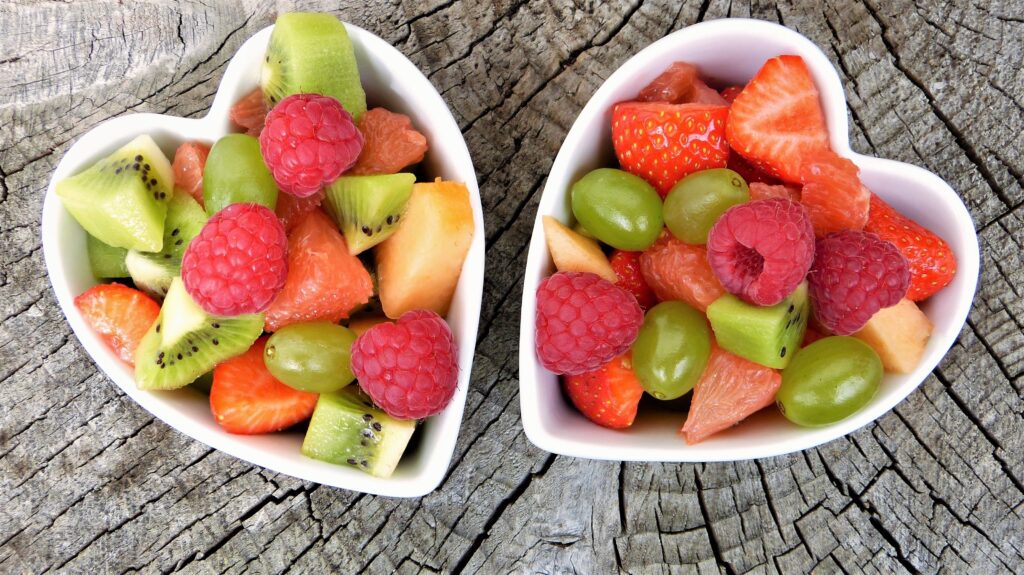
The Food: Everyone knows oranges, but bell peppers actually contain more Vitamin C per serving! Strawberries and kiwi are also excellent sources.
Why Natural Sources Beat Supplements
While a multivitamin can be a safety net, the body is designed to recognize food matrices. When you eat an orange, you aren’t just getting Vitamin C; you’re getting fiber, bioflavonoids, and water, all of which help that vitamin work better.