
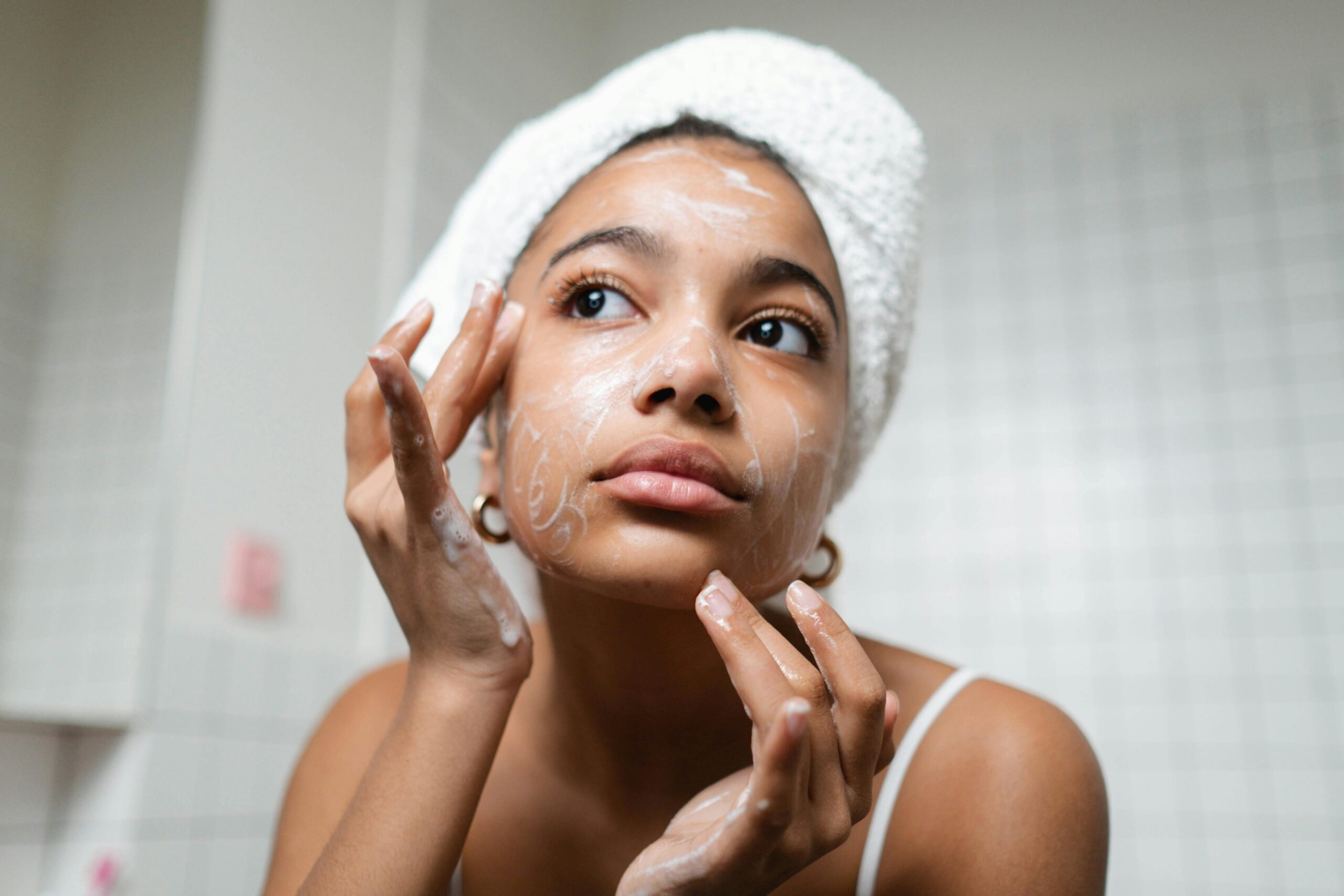
Winter Skincare Tips to Prevent Dry & Flaky Skin

Winter may feel cozy with warm drinks and soft blankets, but your skin suffers the most. Cold winds, low humidity, and indoor heating suck moisture out of the skin, leading to dryness, flakiness, irritation, redness, chapped lips, and compromised barrier function. If you’ve ever wondered why your skin feels tighter and more sensitive during colder months, the answer is simple: your skin barrier weakens in winter, making it unable to retain moisture or protect against irritants.
In this detailed guide, we are going to discuss science-backed and dermatologist-approved winter skincare strategies to keep your skin hydrated, glowing, and protected from the harsh weather.
Why Winter Damages Your Skin: The Science
Dermatologists explain that cold weather creates a “moisture vacuum” around your skin. Low humidity outside + dry heat indoors = breakage in the lipid barrier.
According to Dr. Hadley King (Board Certified Dermatologist),
“The skin barrier becomes compromised in winter, leading to increased transepidermal water loss and greater sensitivity.”
A study published in the International Journal of Dermatology found that winter reduces natural oil production by nearly 50%, which is why moisturizing becomes non-negotiable.
This makes winter skincare not just a routine, but a protection strategy.
01. Switch to a Hydrating Cleanser
Your usual gel or foaming cleanser might be too harsh for winter.
Choose cleansers that contain:
- Hyaluronic acid
- Glycerin
- Ceramides
- Oat extract
- Aloe vera
Avoid products with:
- Alcohol
- Strong fragrances
- Sulfates (SLS/SLES)
Dermatologist Advice:
Dr. Joshua Zeichner recommends switching to a cream or milky cleanser in winter to “maintain hydration while effectively removing dirt and oils.”
Pro Tip:
Wash your face with lukewarm water. Hot water damages the lipid barrier immediately.
02. Layer Your Moisturizer the Right Way
Hydration isn’t just applying any moisturizer; it’s about layering correctly.
Step-by-step winter skincare layering routine:
- Hydrating toner (hyaluronic acid, rice water, rose water)
- Serum (niacinamide, vitamin C, peptides, hyaluronic acid)
- Moisturizer (ceramides + glycerin)
- Occlusive (optional): (petroleum jelly, shea butter, or squalane)
This system locks water inside and prevents moisture loss.
How to pick a winter moisturizer:
- Oily skin: Gel-cream with niacinamide and ceramides
- Dry skin: Thick cream with shea butter, peptides, and ceramides
- Combination skin: Lightweight cream with hyaluronic acid + glycerin

Expert Quote:
Dermatologist Dr. Whitney Bowe explains,
“Ceramides are essential during winter as they restore the skin barrier and prevent moisture loss.”
03. Add a Humidifier to Your Room
During winter, humidity drops as low as 10–20%.
For comparison, the ideal skin-friendly humidity is 40–60%.
A humidifier:
- Restores moisture in the air
- Reduces skin cracking
- Prevents flaky patches
- Helps eczema and psoriasis patients
Research Insight:
Studies show using a humidifier improves skin hydration by up to 30% within two weeks.
If you have extremely dry skin, this is one of the simplest yet most effective winter skincare hacks.
04. Apply Sunscreen (Even in Winter)
Many people stop wearing sunscreen in December.
This is one of the biggest winter skincare mistakes.
Why?
- UV rays still reach your skin, even on cloudy days.
- UV rays increase sensitivity and worsen dryness.
- Snow reflects up to 80% of UV radiation.
SPF recommendations:
- SPF 30+ for daily use
- SPF 50+ for long outdoor exposure
Choose sunscreens with:
- Zinc oxide
- Titanium dioxide
- Hyaluronic acid
- Ceramides
Expert Note:
Dr. Elizabeth Hale says,
“Sunscreen is essential 365 days a year. Winter sun damage accelerates aging just as much as summer exposure.”
05. Use Face Oils
Face oils create a protective layer that prevents moisture evaporation.
Best oils for winter:
- Squalane
- Rosehip
- Argan
- Vitamin E
- Jojoba
Avoid comedogenic oils like:
- Coconut oil (can clog pores)
When to apply:
Use them as the last layer at night.
06. Exfoliate, But Carefully
Exfoliation removes dead skin that prevents your moisturizer from absorbing.
However, over-exfoliating in winter can damage the barrier further.
Exfoliation rules for winter skincare:
- 1–2 times per week only
- Prefer AHAs (lactic acid) over harsh scrubs
- Avoid strong retinoids unless recommended by a dermatologist
Research Insight:
Lactic acid helps hydrate while exfoliating making it ideal for winter use.
07. Upgrade Your Lip Care Routine

Your lips lose moisture 10X faster than the rest of your skin.
To prevent chapped, cracked lips:
- Exfoliate gently with sugar + honey once a week
- Apply petroleum jelly after lip balm to lock hydration
- Avoid licking your lips, this worsens dryness
Look for balms containing:
- Ceramides
- Lanolin
- Beeswax
- Shea butter
08. Eat Skin-Hydrating Foods
Winter skincare isn’t only external, your diet matters as well. Whatever you eat or drink, it will automatically be reflected on your skin and skin health. So consume wisely.
Foods that strengthen the skin barrier:
- Avocados (healthy fats)
- Almonds & walnuts (omega-3s)
- Oranges & kiwis (vitamin C)
- Green tea (antioxidants)
- Salmon & tuna (fatty acids)
Your diet plays a major role in keeping your skin nourished and hydrated during winter. To discover foods that function like natural skincare, explore our guide: “Food That Acts Like Skincare: Eat Your Way to Clearer Skin“.
Book Reference:
In The Clear Skin Diet, authors emphasize that omega-3 fatty acids improve the lipid barrier and prevent excessive dryness.
09. Stay Hydrated
You may not feel thirsty in winter, but your body still loses moisture.
Hydration tip:
- Drink 8–10 glasses of water
- Include herbal teas
- Add cucumber or lemon to water for easy hydration
10. Avoid Hot Showers and Harsh Soaps
Hot showers:
- Damage the skin barrier
- Strip natural oils
- Cause irritation and redness
Instead:
- Use lukewarm water
- Limit showers to 8–10 minutes
- Moisturize immediately after bathing (“3-minute rule”)
Expert Insight:
Dermatologists say moisturizing right after a shower increases absorption by 60%.
Many people unknowingly damage their skin daily without realizing it. If you want to avoid habits that silently ruin your complexion, read our full guide: “Habits That Ruin Your Skin: 10 Everyday Mistakes“.

Winter Skincare Routine
Morning Routine
- Cream cleanser
- Hydrating toner
- Vitamin C serum
- Lightweight ceramide moisturizer
- SPF 30–50 sunscreen
Night Routine
- Cream/milky cleanser
- Hyaluronic acid serum
- Thick moisturizer
- Face oil / occlusive (for very dry skin)
Nighttime is when your skin repairs the most. If you want to understand how sleep impacts your skin more than products, read our detailed guide: “How Sleep Affects Your Skin More Than Skincare Products“.
Winter Skincare for Sensitive Skin
If your skin is easily irritated:
- Avoid fragrances
- Avoid scrubs
- Use products with oat, ceramides, niacinamide
- Patch test everything
- Stick to 5 or fewer skincare products
Dr. Sandra Lee says:
“Minimalist routines work best in winter. Too many actives irritate the already stressed skin barrier.”
Conclusion
Winter skincare is all about hydration, protection, and barrier repair. By switching to gentle cleansers, choosing the right moisturizers, applying sunscreen daily, increasing indoor humidity, and following dermatologist-approved routines, you can prevent dryness, flakiness, redness, and irritation throughout the cold season.
Healthy winter skin isn’t complicated, it’s consistent.
As dermatologist Dr. Bowe puts it:
“Repair the barrier, and your skin will repair itself.”