

Vitamin D Deficiency: The Silent Epidemic Nobody Is Talking About
You eat reasonably well. You sleep okay. You’re not doing anything obviously wrong. But you’re constantly tired, your bones ache for no clear reason, you catch every cold that goes around, and your mood has been inexplicably low for months.
Most people chalk this up to stress, aging, or just “life.” Their doctor might too.
But there’s a good chance the real culprit is something far simpler. A vitamin D deficiency. And you are almost certainly not alone.
The Scale of the Problem Is Staggering
Let’s start with the numbers because they’re genuinely shocking.
According to a landmark review published in Nutrients journal, approximately 1 billion people worldwide have vitamin D deficiency. Another 50% of the global population has vitamin D insufficiency. It means their levels are low enough to cause health problems even if they don’t technically qualify as “deficient.”
A 2022 analysis in the Journal of Clinical Endocrinology & Metabolism found that vitamin D deficiency is particularly prevalent in South Asian, Middle Eastern, and African populations. Even in sunny regions due to factors like skin pigmentation, cultural dress practices, and limited outdoor time.
In the United States alone, the CDC estimates that 42% of American adults are vitamin D deficient. In the UK, Public Health England has flagged it as a major national health concern. The World Health Organization calls it one of the most common nutritional deficiencies globally.
And yet, it barely gets talked about.

What Even Is Vitamin D?
Here’s where most people get confused. Vitamin D isn’t really a vitamin in the traditional sense. It’s actually a prohormone. It is a substance your body converts into an active hormone that regulates dozens of critical biological processes.
Your body produces vitamin D when your skin is exposed to UVB radiation from sunlight. That’s why it’s often called the “sunshine vitamin.” But unlike most vitamins, very few foods contain meaningful amounts of vitamin D naturally. That’s why sun exposure is the primary source for most humans.
Once produced or consumed, vitamin D is converted first in the liver and then in the kidneys into its active form: calcitriol. This active form then binds to vitamin D receptors found in virtually every tissue and organ in the body.
Dr. Michael Holick, professor of medicine at Boston University and one of the world’s leading vitamin D researchers, has spent decades studying this nutrient. He describes vitamin D deficiency as “a worldwide pandemic that is being largely ignored by the medical establishment”. A statement that becomes harder to argue with the more you look at the data.
Why Are So Many People Deficient?
This is the question that surprises most people. If vitamin D comes from sunlight and we live on a planet covered in it, why is deficiency so widespread?
The answer is a combination of modern lifestyle factors that work against us:
We Don’t Spend Enough Time Outside
The average adult in a developed country now spends roughly 90% of their time indoors. Even when people do go outside, it’s often early morning or evening when UVB radiation is too weak to trigger vitamin D synthesis.
Sunscreen Blocks Production
This is a genuinely complicated one. SPF 30 sunscreen reduces vitamin D synthesis in the skin by approximately 95–98%. According to research published in the British Journal of Dermatology. Skin protection from UV damage is absolutely important, but it comes with a direct trade-off for vitamin D production.
Skin Pigmentation Matters More Than People Realize
Melanin, the pigment that gives skin its color acts as a natural sunscreen. People with darker skin tones need 3 to 5 times more sun exposure than people with lighter skin to produce the same amount of vitamin D. This is a major reason why vitamin D deficiency disproportionately affects people of African, South Asian, and Middle Eastern descent.
Geography and Seasons
If you live above the 35th parallel north, which includes most of Europe, Canada, and the northern United States. Your skin cannot produce any meaningful vitamin D from sunlight for roughly 4 to 6 months of the year due to the angle of the sun. During winter, deficiency is virtually inevitable without supplementation.
Obesity and Gut Issues
Vitamin D is fat-soluble, meaning it gets stored in fat tissue. In people with obesity, vitamin D gets sequestered in fat cells and becomes less bioavailable to the rest of the body. Additionally, conditions like Crohn’s disease, celiac disease, and irritable bowel syndrome impair the gut’s ability to absorb vitamin D from food and supplements.
The Symptoms
This is the trickiest part. Vitamin D deficiency rarely announces itself dramatically. Its symptoms are vague, gradual, and easily attributed to other things. Here’s what to watch for:
Persistent Fatigue That Sleep Doesn’t Fix
This is the most common and most dismissed symptom. A 2015 study in the North American Journal of Medical Sciences found a strong correlation between vitamin D deficiency and chronic fatigue. Also that supplementation significantly improved energy levels in deficient patients within 8 weeks.
Bone Pain and Muscle Weakness
Vitamin D is essential for calcium absorption. Without adequate levels, calcium cannot be properly deposited into bones. It can lead to aching, tender bones (particularly in the lower back, hips, and legs) and generalized muscle weakness. Severe, prolonged deficiency leads to osteomalacia in adults. A softening of the bones that causes significant pain and fracture risk.
Getting Sick All the Time
Vitamin D plays a central role in activating the immune system’s T-cells, the white blood cells that hunt and destroy pathogens. A comprehensive review in the British Medical Journal analyzing 25 randomized controlled trials found that vitamin D supplementation reduced the risk of acute respiratory infections, including colds and flu by up to 42% in people who were deficient.
Depression and Low Mood
The brain is loaded with vitamin D receptors, particularly in areas that regulate mood, motivation, and emotional processing. A meta-analysis published in the Journal of Affective Disorders reviewed 31 studies and found a significant association between low vitamin D levels and depression. Seasonal affective disorder, the low mood and depression that hits in winter is strongly linked to the dramatic drop in vitamin D production during those months.
Hair Loss
This one catches people off guard. Vitamin D plays a role in stimulating hair follicle cycling. The process by which hair follicles move through growth and rest phases. Research published in Skin Pharmacology and Physiology found that low vitamin D levels are associated with alopecia areata and general hair thinning, particularly in women.
Slow Wound Healing
If cuts, bruises, or skin injuries seem to take longer than they should to heal, low vitamin D may be partly responsible. Vitamin D regulates the production of compounds critical to skin repair and the formation of new tissue.
How Much Vitamin D Do You Actually Need?
This is where it gets a little complicated because health authorities don’t fully agree.
The official recommended dietary allowance (RDA) set by most health bodies is 600–800 IU per day for adults. However, many researchers and clinicians argue this is far too low to maintain optimal blood levels.
Dr. Rhonda Patrick, a biomedical scientist who has published extensively on vitamin D, argues that the RDA was designed merely to prevent deficiency diseases like rickets, not to optimize health. She and many other researchers suggest that most adults need 2,000–5,000 IU per day to maintain optimal serum levels of 40–60 ng/mL.
The only way to know your actual vitamin D status is a simple blood test, the 25-hydroxyvitamin D test (also written as 25(OH)D). This is widely available, inexpensive, and gives you a clear picture of exactly where you stand.
General reference ranges:
- Deficient: Below 20 ng/mL
- Insufficient: 20–29 ng/mL
- Sufficient: 30–50 ng/mL
- Optimal: 40–60 ng/mL (per many researchers)
- Potentially toxic: Above 150 ng/mL (extremely rare from supplementation)
How to Fix Vitamin D Deficiency
The good news? This is one of the most fixable nutritional deficiencies out there.
Get Strategic Sun Exposure
Aim for 15–30 minutes of midday sun (between 10am and 3pm) on bare arms and legs, without sunscreen, several times a week. This alone can generate 10,000–20,000 IU of vitamin D in lighter-skinned individuals. People with darker skin tones will need longer exposure.
Supplement Smartly
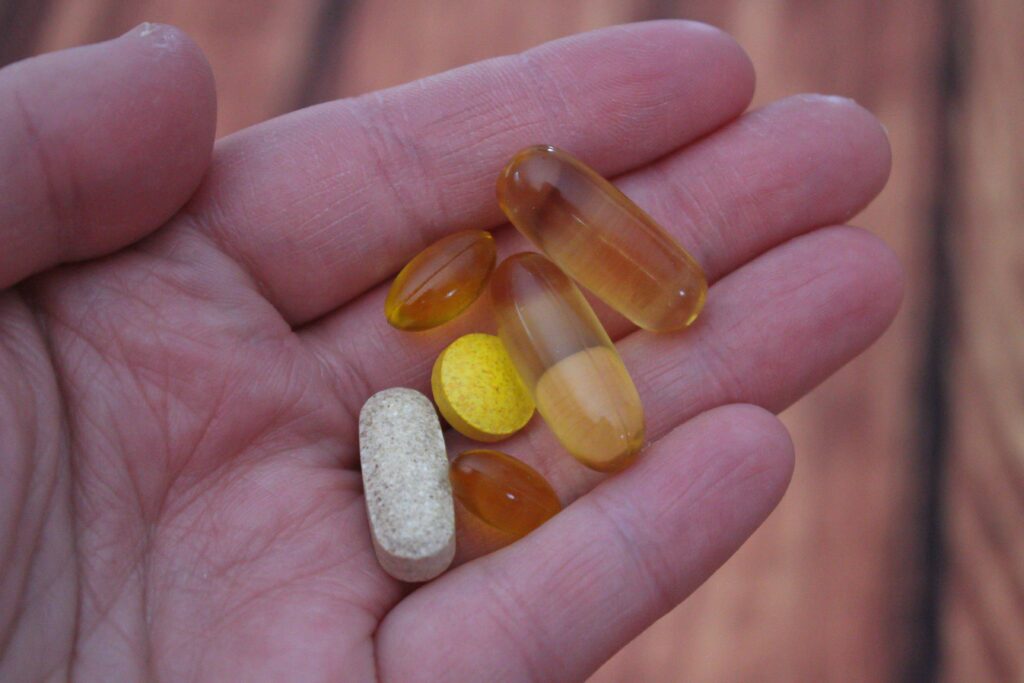
For most deficient adults, a daily supplement of 2,000–4,000 IU of vitamin D3 (not D2, D3 is significantly more effective at raising serum levels) is a safe and effective starting point. Always take it with a meal containing fat for better absorption.
Importantly, vitamin D works synergistically with vitamin K2. K2 helps direct calcium into bones rather than arteries. So taking D3 and K2 together is widely recommended by nutritional medicine practitioners.
Eat Vitamin D Rich Foods
While food alone is unlikely to fix a significant deficiency, it helps. The best dietary sources include fatty fish (salmon, sardines, mackerel), egg yolks, beef liver, and fortified foods like milk and cereals.
Retest After 3 Months
If you start supplementing, retest your 25(OH)D levels after 8–12 weeks to see how your levels have responded and adjust your dose accordingly with your doctor.