
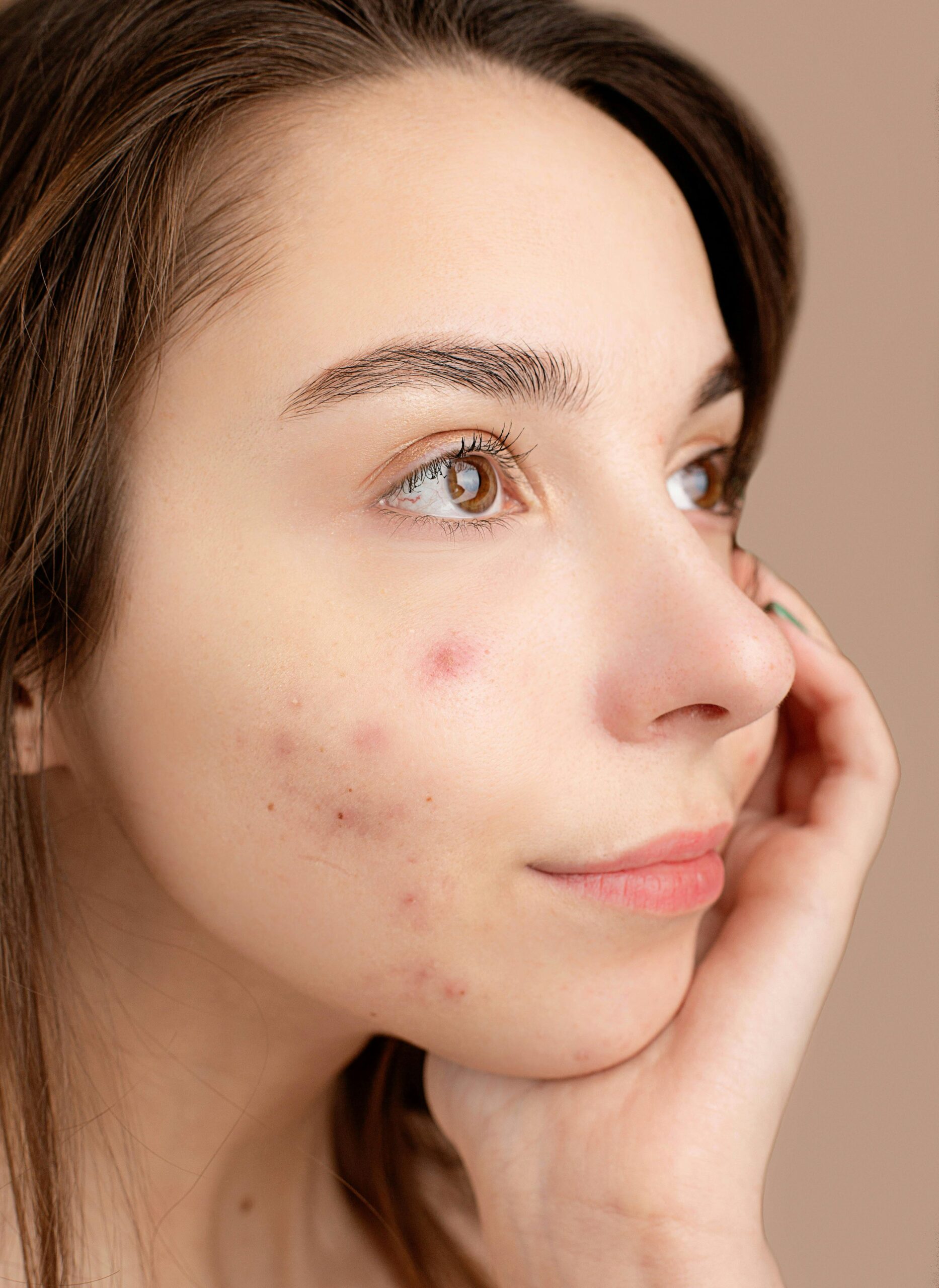
Salicylic Acid vs Glycolic Acid: Which Is Better for Your Skin?
Introduction

Chemical exfoliants can transform your skin but only if you choose the right one.
Two of the most popular skincare acids are salicylic acid and glycolic acid. Both exfoliate the skin, but they work in very different ways. Using the wrong one can worsen acne, cause irritation, or damage your skin barrier.
This guide explains salicylic acid vs glycolic acid, how each works, who should use them, and which one suits your skin type best.
What Is Salicylic Acid?
Salicylic acid is a beta hydroxy acid (BHA). It is oil-soluble, which means it can penetrate deep into pores.
How Salicylic Acid Works
- Dissolves excess oil (sebum)
- Clears clogged pores
- Reduces inflammation
- Helps control acne-causing bacteria
Dermatologist Insight
According to dermatology research, this acid is especially effective for acne-prone and oily skin because it exfoliates inside the pores, not just on the surface.
Benefits of Salicylic Acid
- Treats blackheads and whiteheads
- Reduces acne and breakouts
- Controls excess oil
- Calms redness and swelling
- Improves skin texture over time
Best for:
- Enlarged pores
- Acne-prone skin
- Oily skin
- Combination skin

What Is Glycolic Acid?
Glycolic acid is an alpha hydroxy acid (AHA) derived from sugarcane. It is water-soluble and works mainly on the skin’s surface.
How Glycolic Acid Works
- Removes dead skin cells
- Boosts cell turnover
- Improves dullness and uneven tone
- Stimulates collagen production
Glycolic acid has the smallest molecular size among AHAs, allowing deeper penetration than other AHAs.
Benefits of Glycolic Acid
- Brightens dull skin
- Fades dark spots and pigmentation
- Smooths fine lines
- Improves uneven skin tone
- Enhances product absorption
Best for:
- Dry skin
- Normal skin
- Sun-damaged skin
- Hyperpigmentation
Key Differences:
| Feature | Salicylic Acid | Glycolic Acid |
|---|---|---|
| Acid Type | BHA | AHA |
| Solubility | Oil-soluble | Water-soluble |
| Works Best For | Acne & oily skin | Dull & pigmented skin |
| Pore Penetration | Deep | Surface-level |
| Anti-Aging | Mild | Strong |
| Sensitive Skin | Better tolerated | Can irritate |

Which Is Better for Acne?
Salicylic acid is better for acne.
It penetrates pores, breaks down oil, and prevents clogged pores. Dermatologists often recommend salicylic acid for:
- Blackheads
- Whiteheads
- Mild to moderate acne
Glycolic acid may help fade post-acne marks, but it does not treat active acne as effectively.
Salicylic acid is especially effective for acne because it clears clogged pores and reduces inflammation. If you want a complete, step-by-step approach, read our “How to Treat Acne Without Damaging Your Skin“ for safe, dermatologist-approved acne care.
Which Is Better for Pigmentation and Glow?
Glycolic acid is better for pigmentation and dull skin.
It exfoliates dead skin cells and boosts skin renewal, making it ideal for:
- Dark spots
- Uneven skin tone
- Sun damage
- Early signs of aging
Side Effects to Know
Both acids are powerful. Improper use may cause:
- Redness
- Dryness
- Peeling
- Sensitivity to sunlight
How to Reduce Side Effects
- Start with low concentrations
- Patch test before use
- Moisturize well
- Never skip sunscreen
How to Choose the Right Acid for Your Skin
Choose salicylic acid if you have:
- Oily or acne-prone skin
- Frequent breakouts
- Blackheads or clogged pores
Choose glycolic acid if you have:
- Dry or dull skin
- Pigmentation issues
- Fine lines or uneven texture