
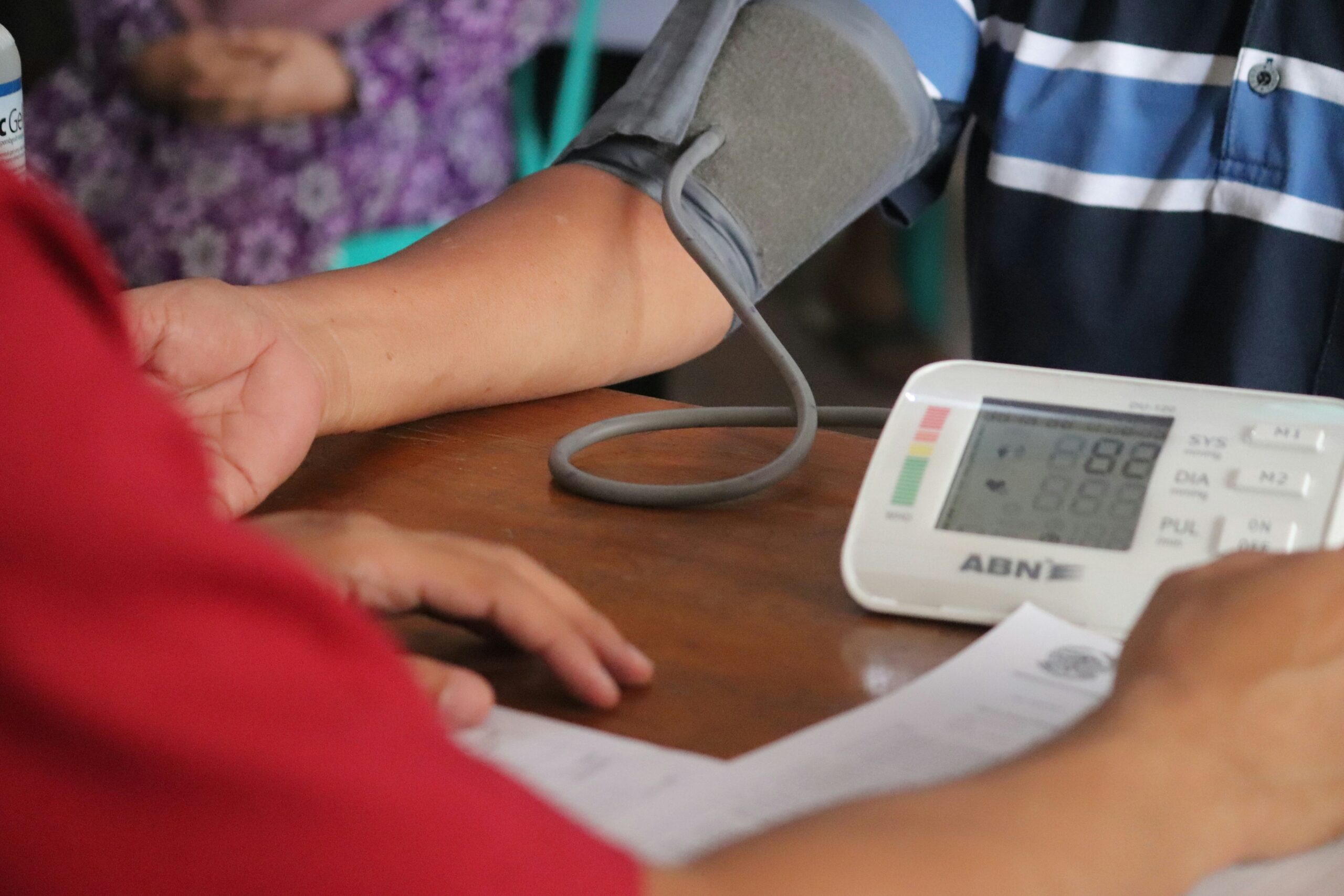
High Blood Pressure: Causes, Symptoms, and Prevention
Introduction:

High blood pressure, also called hypertension, is one of the most common and dangerous health problems worldwide. It often develops silently and damages the heart, brain, kidneys, and blood vessels without obvious symptoms.
According to the World Health Organization, more than 1.2 billion adults suffer from Hypertension globally. Many people do not even know they have it.
This article explains what high B.P is, its causes, symptoms, and proven ways to prevent it, based on medical research and expert recommendations.
What Is High Blood Pressure?
Blood pressure measures the force of blood pushing against artery walls. It has two numbers:
- Systolic pressure (top number): pressure when the heart beats
- Diastolic pressure (bottom number): pressure when the heart rests
Normal blood pressure is below 120/80 mmHg.
Doctors diagnose high B.P when readings stay above 130/80 mmHg over time.
Why High B.P Is Dangerous?
Uncontrolled blood pressure damages vital organs over time. Medical studies link hypertension to:
- Heart attack
- Stroke
- Heart failure
- Kidney disease
- Vision loss
- Erectile dysfunction
Doctors often call it the “silent killer” because it shows no early warning signs.
“High blood pressure is a leading cause of heart disease and stroke because it quietly damages blood vessels and vital organs over time.”
Dr. Michael Blaha, MD, MPH, Johns Hopkins Medicine

Common Causes of High B.P
High B.P usually develops due to a mix of lifestyle and biological factors.
01. Excess Salt Intake
Too much sodium causes the body to retain water. This increases blood volume and pressure.
Research published in The New England Journal of Medicine confirms that high salt diets raise blood pressure significantly.
“Reducing sodium intake is one of the most effective lifestyle changes people can make to lower blood pressure.”
Dr. Frank Sacks, MD, Professor of Cardiovascular Disease Prevention, Harvard Medical School
02. Lack of Physical Activity
A sedentary lifestyle weakens the heart and blood vessels.
According to cardiologists, regular exercise helps the heart pump blood more efficiently and reduces pressure on arteries
03. Obesity and Excess Body Fat
Extra weight increases resistance in blood vessels. This forces the heart to work harder.
Studies show that losing even 5–10% of body weight can significantly reduce blood pressure.
04. Chronic Stress
Long-term stress triggers hormone release that tightens blood vessels.
Research links chronic stress to sustained increases in blood pressure and heart disease risk.
“Chronic stress contributes to sustained high blood pressure through long-term activation of stress hormones.”
Dr. Sheldon Cohen, PhD, Stress Researcher
05. Poor Diet
Diets high in:
- Processed foods
- Added sugar
- Unhealthy fats
increase inflammation and blood pressure.
The DASH diet is widely recommended by doctors to control hypertension.
06. Smoking and Alcohol
Nicotine narrows blood vessels instantly. Alcohol raises blood pressure when consumed regularly.
Medical experts confirm that smoking cessation quickly improves blood vessel function.
“Smoking damages blood vessels immediately and dramatically increases the risk of hypertension and heart disease.”
Dr. Neal Benowitz, MD, Cardiovascular Pharmacologist
07. Genetics and Age
Family history increases risk. Blood pressure also rises naturally with age due to stiffening arteries.

Symptoms:
Most people experience no symptoms until damage occurs.
When symptoms appear, they may include:
- Frequent headaches
- Dizziness
- Shortness of breath
- Chest pain
- Blurred vision
- Nosebleeds (rare but possible)
Doctors warn that symptoms usually appear at dangerous levels, making regular monitoring essential.
“Because hypertension often has no symptoms, regular blood pressure checks are essential for early detection and prevention.”
Dr. Robert Carey, MD, Hypertension Specialist
How High B.P Is Diagnosed
Doctors diagnose hypertension using:
- Multiple blood pressure readings
- Home BP monitoring
- 24-hour ambulatory BP testing
A single high reading does not confirm hypertension.
Prevention:
The good news is that high blood pressure is largely preventable.
01. Reduce Salt Intake
Health organizations recommend less than 5 grams of salt per day.
Avoid packaged foods and restaurant meals when possible.
02. Exercise Regularly
Exercise lowers systolic blood pressure by 5–8 mmHg, according to clinical studies.
Best options:
- Walking
- Cycling
- Home workouts
- Strength training
“Regular physical activity strengthens the heart, allowing it to pump blood with less effort and reducing pressure on the arteries.”
Dr. Nieca Goldberg, MD, Cardiologist
03. Eat a Heart-Healthy Diet
Doctors recommend:
- Fruits and vegetables
- Whole grains
- Lean protein
- Healthy fats
The DASH and Mediterranean diets show strong blood pressure benefits.
04. Manage Stress
Stress management lowers hormone-related blood pressure spikes.
Effective methods include:
- Deep breathing
- Meditation
- Exercise
- Quality sleep
Chronic stress plays a major role in long-term blood pressure elevation, as explained in our detailed guide on “How Stress Is Slowly Killing Your Immune System.”

05. Maintain a Healthy Weight
Weight loss improves insulin sensitivity and blood vessel health.
Even small weight reduction creates measurable improvements.
“Even modest weight loss can significantly reduce blood pressure and lower the need for medication in many patients.”
Dr. Donald Lloyd-Jones, MD, Cardiologist
06. Limit Alcohol and Quit Smoking
Experts advise:
- No smoking
- Alcohol in moderation only
Quitting smoking reduces cardiovascular risk almost immediately.
07. Get Quality Sleep
Sleep deprivation raises stress hormones and blood pressure.
Adults need 7–9 hours of sleep per night for heart health.
“Poor sleep quality and short sleep duration are strongly associated with increased blood pressure and cardiovascular risk.”
Dr. Eve Van Cauter, PhD, Sleep Researcher
When to See a Doctor
Seek medical help if:
- BP remains above 130/80 mmHg
- You experience chest pain or vision problems
- Lifestyle changes do not improve readings
Doctors may prescribe medication when necessary.