

Hidden Signs Your Body Is Stressed

When people hear the word “stress,” they think of racing thoughts, anxiety, or panic. However, stress is not only an emotional experience but also a biological one. Your nervous system, hormonal system, immune system, and digestive system are all affected by stress, regardless of whether you “feel anxious” or not.
According to research from the WHO, stress can be defined as a “physiological response to demands that exceed the individual’s ability to cope.” This response can be quietly happening in your body before it happens in your mind.
If you have been feeling like you are “off” physically but don’t have a reason why, your body may already be sending signals of stress. Here are science-backed signs that your body is stressed even if your mind is not.
01. Constant Fatigue, Even After Rest
One of the most underappreciated physical symptoms of stress is fatigue. Chronic stress causes cortisol levels to remain high, throwing off the body’s natural energy rhythms and sleep patterns.
Based on the Centers for Disease Control and Prevention’s summary of recommended best practices, chronic stress can impact sleep restoration even if overall sleep duration is sufficient.
What’s going on in your body:
- Stress hormones stimulate alertness during times when your body should be resting
- Your nervous system remains in a state of “fight or flight”
- Your cells are allocating resources for survival, not restoration
What happens: You wake up feeling drained after a full night’s sleep.
02. Digestive Problems With No Clear Cause
Your gut and brain talk to each other through the gut-brain axis, which is a two-way communication system that uses nerves, hormones, and the immune system. Stress can affect the movement of your gut, enzyme secretion, and the balance of your microbiome.
Harvard Medical School experts say that stress can make symptoms such as bloating, constipation, diarrhea, and abdominal pain worse even if you don’t have any underlying conditions.
Common stress-related gut symptoms:
- Frequent bloating
- Changes in appetite
- Acid reflux
- “Nervous stomach” without anxiety
Your digestive system is very sensitive to nervous system activity, it’s often more revealing than your mood.
03. Frequent Illness or Slow Healing
If you tend to get colds easily or if it takes longer for wounds to heal, stress could be holding back your immune system.
Studies have found that stress suppresses the activity of lymphocytes, or white blood cells, which fight infection. Stress hormones give the body the message to focus on immediate survival rather than long-term protection.
This is why people with high levels of stress tend to experience:
- Frequent infections
- Skin breakouts
- Longer recovery times from illness
- Inflammation
Your immune system is a reflection of your level of stress.
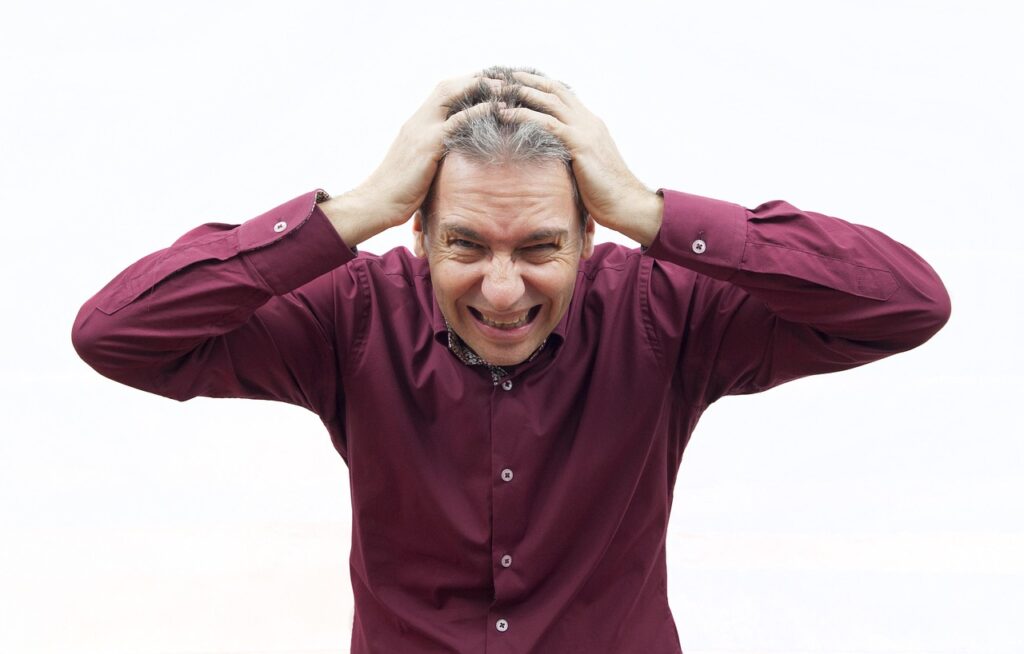
04. Muscle Tension You Don’t Notice
Stress causes involuntary muscle contraction, particularly in the neck, shoulder, jaw, and back areas. People often are not aware of this tension because it becomes their “normal.”
Physical symptoms include:
- Locking of the jaw or grinding of the teeth
- Neck tightness
- Headaches due to tension
- Shoulder pain without injury
Muscle tension is a protective reflex mechanism for danger. When stress is chronic, the body forgets how to relax.
05. Skin Changes and Flare-Ups
Your skin is very sensitive to stress hormones. When cortisol levels are high, it leads to the overproduction of oil in the skin, inflammation, and a weakened skin barrier.
Studies in the field of psychodermatology have found that stress can trigger or exacerbate the following skin conditions:
- Acne
- Eczema
- Psoriasis
- Dry or sensitive skin
- Hair loss
Skin problems can be treated with topical creams, but the root cause could be stress.
06. Sugar or Salt Cravings
Stress alters the way your brain looks for energy. Cortisol stimulates your appetite and drives your preference towards high-calorie foods.
Why cravings occur:
- Stress requires immediate energy availability
- Blood sugar levels vary when under chronic stress
- The brain looks for immediate dopamine satisfaction
This is not a lack of willpower; it is neurobiology reacting to perceived danger.
07. Brain Fog and Forgetfulness
Cognitive symptoms do not have to be emotional in nature. Stress hormones impact the hippocampus and prefrontal cortex, which are areas of the brain responsible for memory and decision-making.
Research indicates that chronic stress can lead to:
- Decreased attention span
- Problems with short-term memory
- Slowed processing speed
- Decreased mental clarity
If you feel as though your mind is “sluggish,” it could be that your nervous system is overwhelmed rather than your mind being distracted.
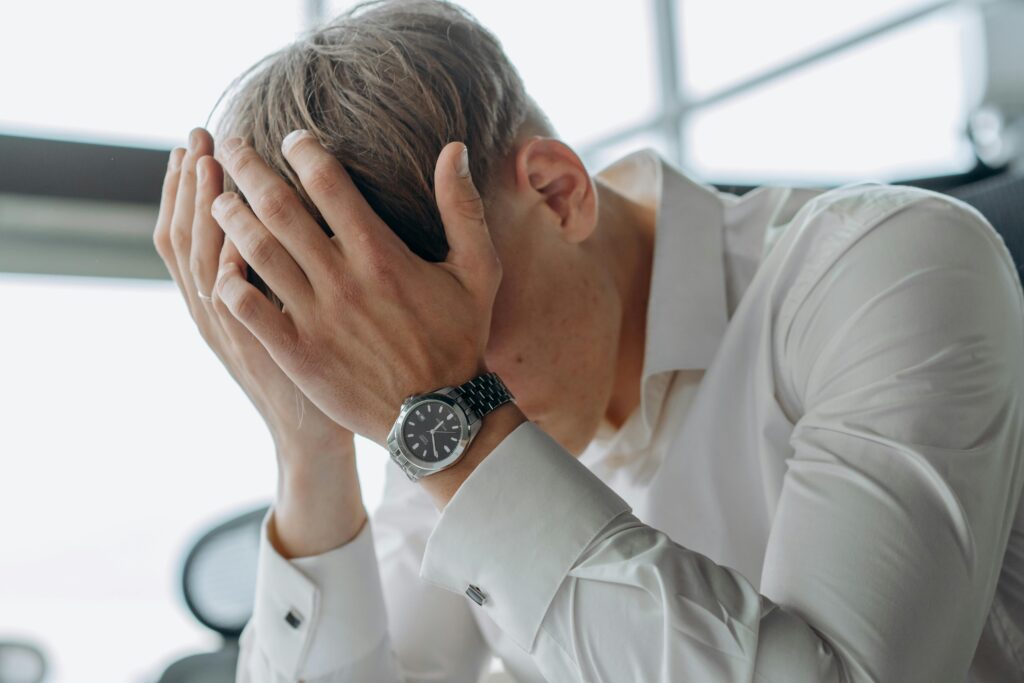
08. Heart Palpitations or Shallow Breathing
Stress triggers the sympathetic nervous system, resulting in an acceleration of heart rate and irregular breathing patterns even when there is no conscious anxiety.
The subtle symptoms are:
- Sighing frequently
- Feeling a tight chest
- Breathing shallowly
- Noticing the beat of the heart at rest
Your body could be responding to danger that your mind has not yet identified.
09. Changes in Menstrual Cycle or Hormonal Balance
Chronic stress impacts the hypothalamic-pituitary-adrenal (HPA) axis, which is the body’s regulation of hormones. This can impact reproductive hormones and the regularity of the menstrual cycle.
Possible symptoms:
- Irregular menstrual cycles
- Exacerbated PMS symptoms
- Decreased libido
- Indicators of hormonal imbalance
The body temporarily redirects resources away from reproduction during exposure to stress.
10. Loss of Motivation or “Flat” Mood
Stress is not always accompanied by feelings of anxiety. Sometimes it can be accompanied by feelings of emotional numbness or lack of motivation.
Neurologically:
- Chronic cortisol reduces reward sensitivity
- Dopamine responsiveness decreases
- Energy conservation becomes a priority
This can be experienced as burnout rather than anxiety.
Why These Symptoms Often Go Unrecognized?
Many people think that stress should be a dramatic experience. However, the truth is that the body accommodates the stress in a quiet manner. Eventually, the physical sensations become normalized and separated from their source.
It is important to note that stress is a cumulative process. Small, steady stressors can have more powerful biological consequences than short-lived stressful events.
Your body reacts to workload, lack of sleep, illness, uncertainty, and mental stress in the same physical manner, even if you feel like you are “handling it fine.”
How to Reduce Stress
The most effective stress reduction strategies target the nervous system directly rather than relying on motivation or mindset alone.
Evidence-supported approaches include:
1. Regulate breathing
Slow, controlled breathing activates the parasympathetic nervous system, the body’s recovery mode.
2. Prioritize consistent sleep timing
Regular sleep-wake cycles stabilize cortisol rhythm more than total sleep duration alone.
3. Daily low-intensity movement
Walking and gentle exercise reduce baseline stress hormones and improve immune function.
4. Reduce cognitive overload
Simplifying decisions and schedules lowers chronic stress signaling.
5. Social connection
Supportive interaction measurably lowers physiological stress markers.
Small changes practiced consistently are more effective than occasional intense interventions.