

Digital Toxicity: How Your Phone Hurts Your Eyes, Brain & Sleep
Digital Toxicity: How Your Phone Hurts Your Eyes, Brain & Sleep
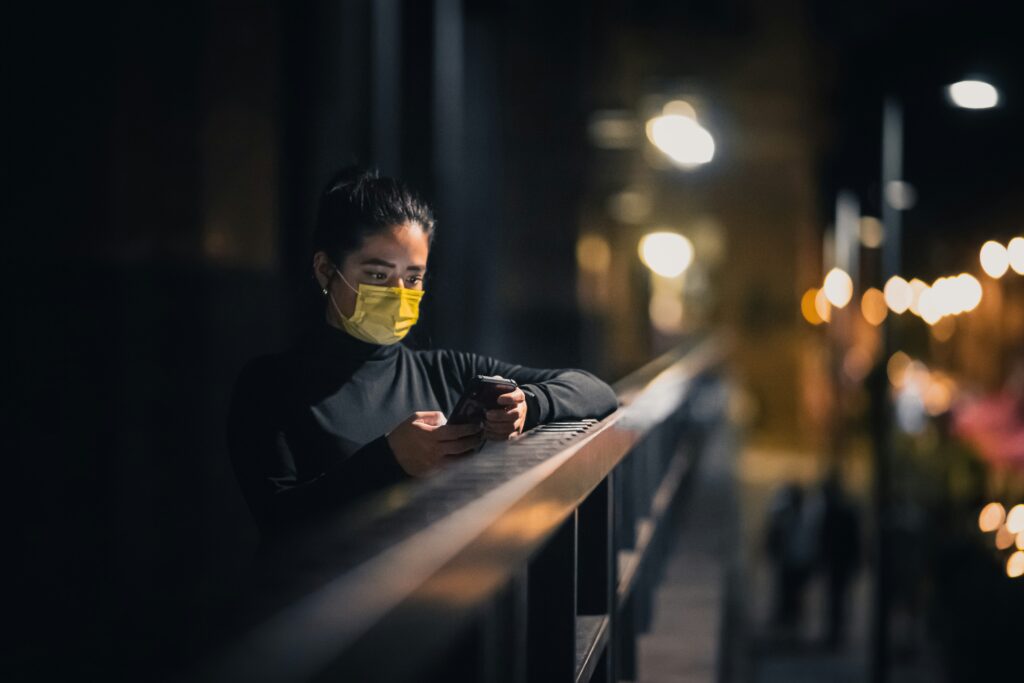
Smartphones are now our closest companions. They wake us up, guide us through the day, entertain us, and sometimes even put us to sleep. But beneath the convenience lies a growing health concern known as digital toxicity. It is the physical and mental stress caused by prolonged digital device use.
As screen time rises every year, health professionals worldwide warn that excessive phone exposure strains the eyes, alters brain function, and disrupts the sleep cycle in ways we often ignore. This detailed guide breaks down the science, the medical evidence, and the expert advice you need to protect your health.
What Is Digital Toxicity?
Digital toxicity is the combined negative impact of excessive screen exposure on the body and mind. It includes:
- Eye strain and vision problems
- Headaches and focus issues
- Sleep disruption
- Mental fatigue
- Mood changes
- Lower productivity and cognitive performance
Dr. Anna Ha, a digital health researcher, explains:
“Digital toxicity is not caused by the device itself, but by the intensity, duration, and timing of use, especially at night.”
Digital toxicity also increases stress levels in the body and stress has its own dangerous impact.
Learn more in my detailed blog “How Stress Is Slowly Killing Your Immune System.”
1. How Smartphones Damage Your Eyes
Digital Eye Strain (DES) Is Now a Global Problem
According to the American Optometric Association, over 70% of people who use screens for more than 6 hours daily experience digital eye strain.
This happens because:
- Your blink rate drops by almost 50% when staring at screens.
- The eyes are forced to focus at a close distance for long periods.
- Blue light causes glare, dryness, and fatigue.
Common Symptoms of Digital Eye Strain:
- Blurry vision
- Dry, irritated eyes
- Headaches
- Shoulder and neck tension
- Difficulty focusing after screen use
Harvard-trained ophthalmologist Dr. Gary Heiting notes:
“The issue isn’t the screen alone. It’s the unbroken near-focus that stresses the eye muscles.”
How to Protect Your Eyes
✔ Follow the 20-20-20 rule
✔ Keep screen at least 20–24 inches away
✔ Adjust screen brightness to match room light
✔ Use warm-color modes to reduce glare
✔ Blink consciously to prevent dryness
2. How Phone Use Affects Your Brain
Studies now show that heavy smartphone use affects areas of the brain tied to:
- Memory
- Decision-making
- Impulse control
- Stress processing
- Emotional balance
The Dopamine Loop
Every notification, like, message, or alert creates a dopamine spike. This “reward loop” leads to compulsive checking.
Dr. Anna Lembke, addiction psychiatrist at Stanford and author of Dopamine Nation, explains:
“Smartphones deliver small, fast, reliable hits of dopamine. Over time, the brain starts craving more, creating a cycle of compulsive use.”
Cognitive Fatigue
Constant switching between apps trains the brain to seek stimulation instead of sustained focus. Long-term, this reduces productivity, memory, and attention span.
Research on Brain Structure
Several neuroimaging studies in children show that high screen time is associated with:
- reduced white-matter integrity
- delayed language development
- poor emotional regulation
These findings don’t mean phones “destroy the brain,” but they clearly show that excessive use affects developmental pathways.

3. How Screens Destroy Your Sleep Cycle
This is the most well-documented effect of digital toxicity.
Blue Light Suppresses Melatonin
Phones emit high levels of blue light, which:
- blocks the release of melatonin (sleep hormone)
- delays your circadian rhythm
- makes it harder to fall asleep
- reduces REM sleep
A Harvard Study found that blue light exposure at night delays melatonin production for up to 90 minutes.
Why Late-Night Phone Use Feels Addictive
Before bed, the brain seeks relaxation. But scrolling stimulates:
- emotional centers
- reward pathways
- cognitive areas
- sensory processing
This keeps the brain in an alert state, even when the body is tired.
Sleep Expert Quote
World-renowned sleep scientist Dr. Matthew Walker writes in his book Why We Sleep:
“Night-time screen exposure tricks your brain into thinking it’s still daytime, making sleep harder and lower in quality.”
Poor Sleep = Poor Health
Chronic late-night screen use is linked with:
- anxiety
- depression
- weight gain
- low immunity
- hormonal imbalance
- morning fatigue
Sleep is the foundation of health and digital toxicity strikes directly at this foundation.
4. The Behavioral Addiction Nobody Talks About
Even if you’re not “addicted,” you may notice:
- You reach for your phone first thing in the morning.
- You check notifications that aren’t there.
- You scroll without purpose.
- You feel restless without your phone.
This is because smartphone apps, especially social media are designed using behavioral psychology, specifically:
- variable reward systems
- infinite scrolling
- tap-based feedback loops
- sound-triggered reward responses
Psychologist B.F. Skinner showed that unpredictable rewards create the strongest habits.
Your phone uses this rule every time a notification pops up.
To understand another powerful digital behavior that rewires your brain’s reward system, read my blog “Harmful Effects of Porn You Should Know.”
5. Evidence-Based Ways to Reduce Digital Toxicity
1. Set a Phone Curfew
Avoid screens 60–90 minutes before bed.
This single habit dramatically improves sleep quality.
2. Use Night Mode All the Time
Warm hues reduce blue-light exposure and eye strain.
3. Follow the 20-20-20 Rule
Every 20 minutes, look 20 feet away for 20 seconds.
4. Disable Non-Essential Notifications
This breaks the dopamine-checking loop.
5. Keep Your Phone Out of Your Bedroom
Use a real alarm clock.
Sleep doctors repeatedly confirm this as the most effective intervention.
6. Create “Digital-Free Zones”
Examples:
- dining table
- first hour after waking
- last hour before sleep
7. Use Apps That Reduce Screen Time
Apps like Forest, Digital Wellbeing, or Focus Mode create boundaries.
6. When You Should Seek Professional Help
You may need help if:
- Your phone interferes with work or relationships
- You can’t sleep without scrolling
- You feel anxious when away from your phone
- You experience chronic eye strain or headaches
Ophthalmologists, sleep specialists, and digital wellness therapists can all provide solutions.
Conclusion
Digital devices are powerful and essential but they come with invisible costs. Digital toxicity affects the eyes, brain, and sleep cycle, draining your health without you realizing it. By applying small, evidence-backed changes like limiting nighttime use, controlling notifications, and protecting your eyes, you can reclaim your focus, energy, and sleep.
As Dr. Matthew Walker says:
“Sleep is your body’s most powerful healing tool, protect it fiercely.”
Your phone is a tool.
Make sure it’s not quietly controlling your health.