
Why Your Calves Won’t Grow: The Workout Most People Ignore
Calf Workout Most People Ignore
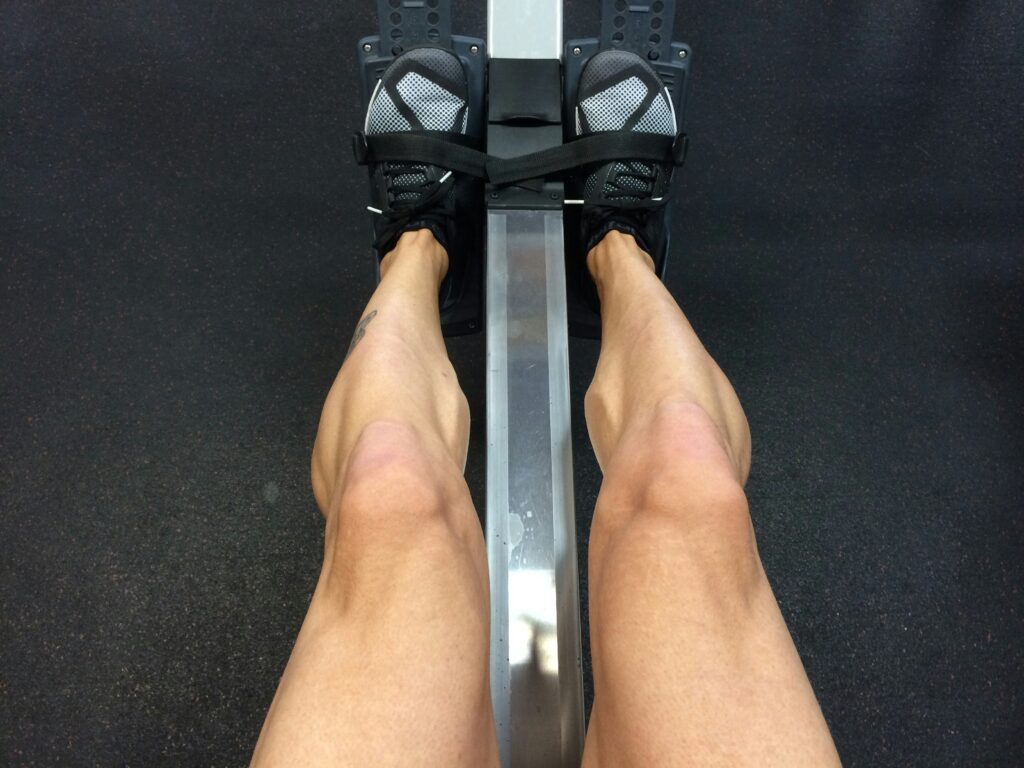
Many people train chest, arms, and abs every week. But they completely ignore calves. That’s why calves often look underdeveloped compared to the rest of the body.
A proper calf workout does not mean doing a few standing raises at the end of leg day. Science shows that calves need specific angles, volume, and frequency to grow.
In this guide, you’ll learn:
- Why calves grow slower
- The calf workout most people ignore
- Best exercises backed by science
- Common calf training mistakes
- A proven calf workout plan
Why Calves Are Hard to Grow
Calves work all day when you walk, stand, or climb stairs. Because of this, they adapt quickly and need more stimulus to grow.
According to research published in The Journal of Applied Physiology, calf muscles contain a high percentage of slow-twitch muscle fibers, especially the soleus. These fibers respond better to higher reps and longer time under tension.
That’s where most people fail.
The Calf Workout Most People Ignore: Seated Calf Raises
Most people only do standing calf raises. That mainly targets the gastrocnemius, the upper calf.
But the soleus muscle, which makes up a large portion of calf size, only works fully when your knees are bent.
Seated calf raises directly target the soleus, which most people completely ignore.
Science Says
A study in Strength and Conditioning Journal confirms that:
- Bent-knee calf exercises activate the soleus more
- Soleus responds better to higher reps (12–25)
- Time under tension matters more than heavy weight
Ignoring seated calf raises means ignoring calf growth.
Best Calf Exercises for Full Development
01. Seated Calf Raises
- Targets: Soleus
- Reps: 15–25
- Tempo: Slow and controlled
You can use a machine, dumbbell, or barbell on your knees.
02. Standing Calf Raises
- Targets: Gastrocnemius
- Reps: 8–15
- Tip: Pause for 2 seconds at the top
Stand on an elevated surface for a full stretch.
03. Single-Leg Calf Raises
- Improves muscle imbalance
- Increases time under tension
- Great for home workouts
04. Donkey Calf Raises
- Increases stretch under load
- Excellent muscle activation
- Highly underrated
05. Slow Eccentric Calf Raises
- Lower the heel for 4–5 seconds
- Boosts hypertrophy
- Improves ankle strength
Common Calf Workout Mistakes
Using Too Much Weight
Heavy bouncing reduces muscle activation. Use controlled reps.
Partial Range of Motion
Calves grow best with a deep stretch and full contraction.
Training Calves Once a Week
Calves recover fast. Train them 2–4 times per week.
Ignoring Seated Movements
This is the biggest mistake killing calf growth.
How Often Should You Train Calves?
Research suggests calves respond well to higher frequency.
Best frequency:
- Beginners: 2 times/week
- Intermediate: 3 times/week
- Advanced: 4 times/week
Short, focused sessions work best.
Nutrition Tips for Bigger Calves
Muscles don’t grow without fuel.
- Eat enough protein (1.6–2.2 g/kg bodyweight)
- Stay hydrated
- Avoid extreme calorie deficits
According to sports nutrition research, muscle growth requires consistent energy intake, even for smaller muscles like calves.
Digestive health often declines when the body lacks regular movement and muscle engagement. You can learn more in “Leg Workout for Beginners at Home”, which explains how simple lower-body exercises support circulation, metabolism, and overall physical health.