
Best Oils for Hair Growth Backed by Dermatologists
Introduction

Hair growth depends on scalp health, blood circulation, and follicle strength. Dermatologists agree that certain natural oils can support these factors when used correctly. These oils do not create instant growth, but they improve the scalp environment and reduce hair breakage. Over time, this helps hair grow stronger and thicker.
This guide gives some of the best oils for hair as recommended by dermatologists, supported by research and expert opinions.
Flaky scalp and irritation often point to dandruff rather than hair loss. You can read “Hair Dandruff: Causes, Prevention, and Effective Treatments” to understand why dandruff occurs and how to treat it properly.
01. Rosemary Oil
Rosemary oil is one of the most researched oils for hair growth. Studies show it improves blood circulation to the scalp. Better circulation delivers more oxygen and nutrients to hair follicles.
Dermatologists often compare rosemary oil to minoxidil for mild hair thinning. It may help reduce hair shedding and support thicker hair growth with regular use.
Benefits:
- Stimulates hair follicles
- Improves scalp circulation
- Helps reduce hair thinning
How to use:
Mix a few drops of rosemary oil with coconut or jojoba oil. Massage into the scalp 2–3 times per week.
02. Castor Oil
Castor oil contains ricinoleic acid and vitamin E. These nutrients support scalp hydration and reduce hair breakage. Dermatologists recommend castor oil for people with dry scalp or weak hair strands.
While castor oil does not directly grow new hair, it helps hair retain length by preventing breakage.
Benefits:
- Strengthens hair shafts
- Improves scalp moisture
- Makes hair look thicker
How to use:
Mix castor oil with a lighter oil and apply to the scalp and roots. Leave for a few hours or overnight before washing.
03. Coconut Oil
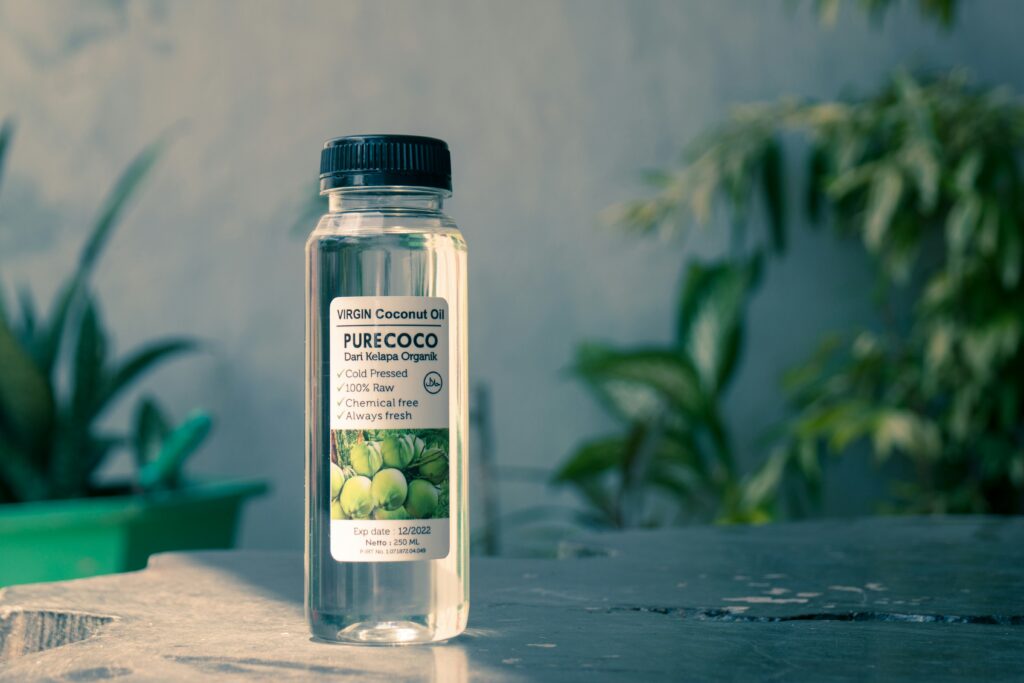
Coconut oil penetrates the hair shaft better than most oils. Research shows it reduces protein loss from hair, which protects hair from damage. Dermatologists recommend it for dry, damaged, or chemically treated hair.
Healthy hair breaks less, which supports long-term hair growth.
Benefits:
- Reduces hair damage
- Prevents dryness and split ends
- Strengthens hair strands
How to use:
Apply warm coconut oil before shampooing. Leave it on for 30–60 minutes.
04. Jojoba Oil
Jojoba oil closely matches the scalp’s natural sebum. Dermatologists recommend it for people with oily or sensitive scalps. It hydrates without clogging hair follicles.
A balanced scalp creates the right conditions for healthy hair growth.
Benefits:
- Balances scalp oil
- Prevents buildup
- Keeps follicles clear
How to use:
Massage a few drops directly into the scalp once or twice a week.
05. Tea Tree Oil
Tea tree oil supports scalp health by reducing dandruff, itchiness, and fungal buildup. Dermatologists stress that a clean scalp allows hair follicles to function properly.
This oil does not grow hair directly, but it removes barriers that slow hair growth.
Benefits:
- Reduces dandruff
- Clears clogged follicles
- Soothes scalp irritation
How to use:
Dilute 2–3 drops in a carrier oil and massage into the scalp. Leave for 15–20 minutes before washing.
06. Peppermint Oil
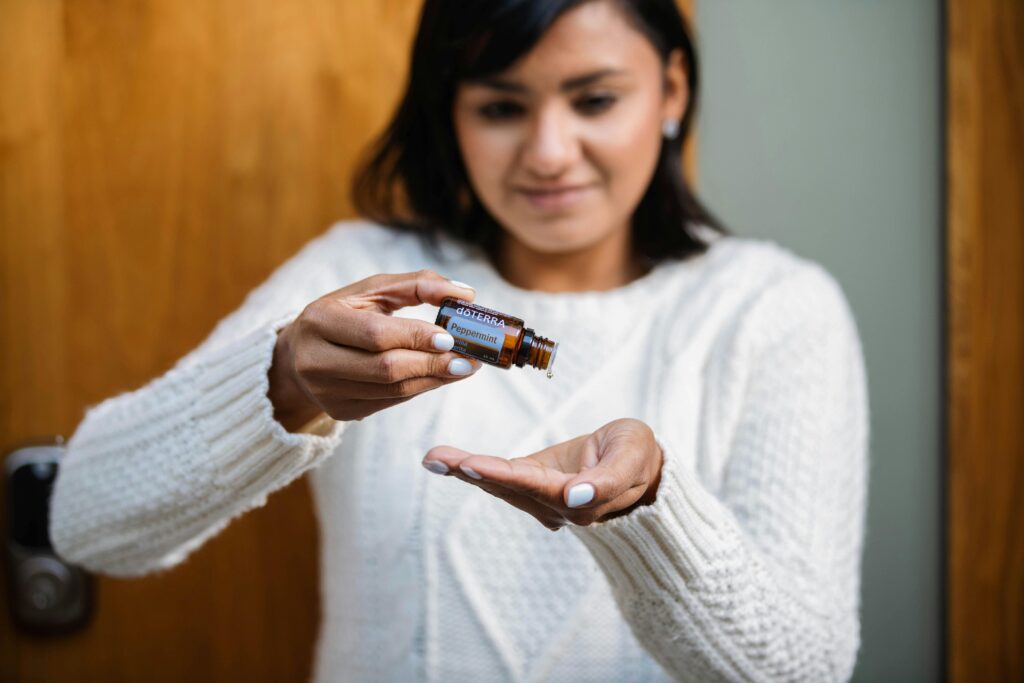
Peppermint oil improves blood flow and creates a cooling sensation on the scalp. Research shows it can increase follicle depth and growth phase duration.
Dermatologists recommend it for people with early-stage hair thinning.
Benefits:
- Boosts scalp circulation
- Stimulates hair follicles
- Refreshes the scalp
How to use:
Always dilute with a carrier oil. Use once or twice weekly.
How to Use Hair Oils Safely
- Always dilute essential oils before applying
- Massage the scalp for 5–10 minutes
- Use oils consistently, not daily
- Be patient and expect results over weeks
Dermatologists warn that excessive oiling or leaving oils on too long can clog follicles and worsen hair loss.
Do Hair Oils Really Grow Hair?
Hair oils support hair growth by:
- Improving scalp health
- Reducing hair breakage
- Increasing blood flow
They do not replace medical treatments for severe hair loss. For conditions like genetic baldness or hormonal hair loss, dermatologists recommend combining oils with medical therapies.