
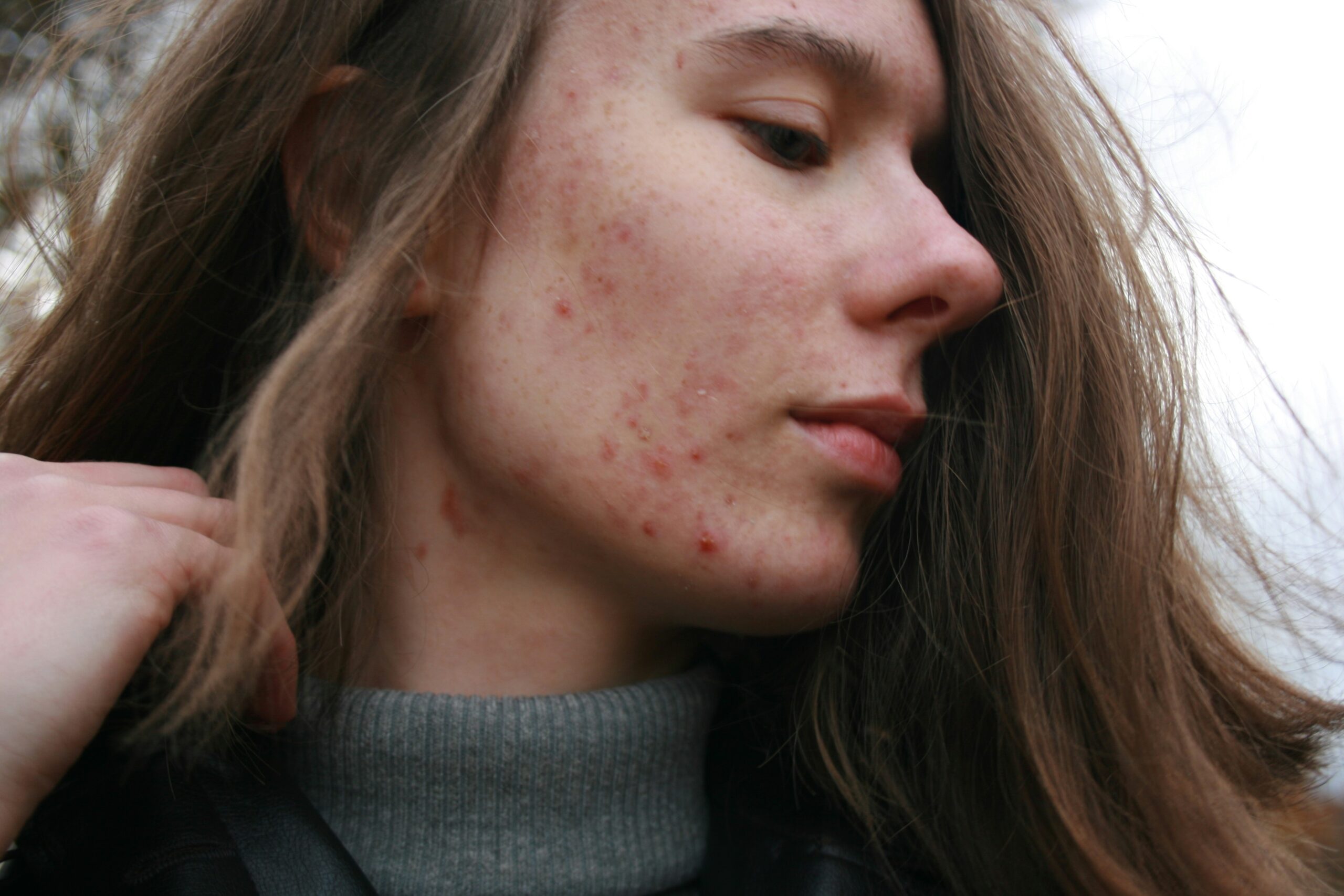
How to Treat Acne Without Damaging Your Skin: A Science-Based Guide

Acne affects nearly 85% of people aged 12–30, and while many effective acne treatment options exist, aggressive routines can weaken the skin barrier, leading to redness, irritation, peeling, and even more breakouts.
The Real Challenge
Treating acne without damaging your skin barrier, which is your body’s first line of defense against bacteria, environmental stressors, and moisture loss.
This guide breaks down science-backed solutions, dermatologist-aligned advice, and gentle routines to help you clear acne while protecting your barrier.
Understanding the Skin Barrier
The skin barrier, also called the stratum corneum is made up of ceramides, cholesterol, and fatty acids. Its job is to keep moisture in and irritants out.
When the barrier becomes compromised, you may experience:
- Increased inflammation
- More sensitivity
- Higher risk of post-acne marks
- Slower healing
- More acne flare-ups
Acne itself can weaken the barrier, but harsh treatments like strong acids, over-cleansing, and high-strength retinoids can make it worse.
A healthy barrier = clearer, calmer, more resilient skin.
Common Acne Treatment Mistakes That Damage the Skin Barrier
1. Over-Exfoliating
Daily use of AHAs, BHAs, scrubs, or exfoliating brushes can strip the skin’s natural lipids.
2. Using Too Many Active Ingredients
Mixing retinol + benzoyl peroxide + salicylic acid + glycolic acid is a quick route to irritation.
3. Washing the Face Too Often
Cleansing more than twice a day disrupts the barrier’s delicate moisture balance.
4. Skipping Moisturizer
Many assume oily or acne-prone skin doesn’t need hydration—this is false. Dehydrated skin triggers more oil production.
5. Using High-Strength Products Without Tolerance
Strong retinoids or benzoyl peroxide can cause redness, dryness, or even chemical burns if not introduced slowly.
Expert Insights
Dermatology professionals commonly emphasize balance. As one board-certified dermatologist explains in educational literature:
“Effective acne treatment is not about using the strongest products. It’s about scientifically supported steps that work with the skin barrier, not against it.”
Another dermatologist stresses:
“A compromised skin barrier increases inflammation, which worsens acne. Healing the barrier should be part of every acne routine.”
Science-Backed Skincare Routine for Acne Treatment
Below is a gentle, dermatologist-style regimen based on research and best practices.
Step 1: Use a Gentle, Non-Stripping Cleanser
Avoid harsh foaming agents that remove too much natural oil.
Look For:
- Gel or milk cleansers
- pH-balanced formulas
- Fragrance-free products
Avoid:
- Sodium lauryl sulfate (SLS)
- High alcohol content
A proper cleanser supports the barrier and preps the skin for treatment.
Step 2: Strengthen the Barrier With Moisture
Hydration is essential even for acne-prone skin.
Ideal ingredients:
- Ceramides: Restore barrier lipids
- Niacinamide: Reduces redness & supports barrier function
- Glycerin & Hyaluronic Acid: Hydrate deeply
- Squalane: Lightweight, non-comedogenic moisture
Pro Tip:
Apply moisturizer before active ingredients if your skin is sensitive. Dermatologists often call this the “sandwich method.”

Step 3: Use Acne Actives That Are Effective but Gentle
Here are research-backed acne treatments that don’t compromise the barrier when used correctly.
1. Salicylic Acid (BHA) 0.5–2%
A research-backed exfoliant that unclogs pores gently.
Benefits:
- Unclogs pores
- Reduces inflammation
Use 2–3 times per week to avoid over-exfoliation.
2. Benzoyl Peroxide 2.5%
Low concentrations work as well as higher ones but with far less irritation.
Tips:
- Start with 2.5%
- Use only once daily or every other day
- Apply moisturizer before and after if sensitive
3. Adapalene (Gentle Retinoid)
Dermatologist-favored because it is:
- Less irritating than other retinoids
- Highly effective for acne prevention
- Stabilizes cell turnover
Start slowly:
- 2–3 nights per week
- Increase as your barrier adapts
4. Azelaic Acid (10–20%)
One of the most barrier-friendly acne treatments.
Benefits:
- Reduces acne-causing bacteria
- Brightens post-acne marks
- Anti-inflammatory
- Safe for sensitive skin
What to Avoid If You Want a Strong Skin Barrier
- Harsh scrubs
- Daily chemical exfoliants
- High-strength retinoids without guidance
- Alcohol-heavy toners
- Cleansing more than twice daily
- Mixing multiple actives at once
Research consistently shows that overuse of strong actives correlates with barrier disruption and inflammation.
The “Less Is More” Method for Acne Treatment
Dermatology experts often recommend treating acne with fewer, well-chosen products. A simplified, barrier-friendly routine looks like this:
Morning:
- Gentle cleanser
- Niacinamide serum
- Lightweight moisturizer
- Sunscreen (crucial for barrier and acne healing)
Night:
- Cleanser
- Acne active (salicylic acid or adapalene or benzoyl peroxide)
- Moisturizer
This structured, minimalist routine reduces irritation while still targeting acne effectively.
For readers interested in minimal skincare routines, my post “Skin Fasting: The Minimalist Trend Your Face Need“ explains how simplifying your routine can strengthen your barrier and improve acne.

Lifestyle Factors That Strengthen the Skin Barrier
1. Diet
Research shows high glycemic foods may worsen acne, whereas diets rich in omega-3s, zinc, and antioxidants support skin health.
If you want to learn how certain foods actively improve skin clarity, check out my full blog: “Food That Acts Like Skincare: Eat Your Way to Clearer Skin“
2. Sleep
Poor sleep increases cortisol, which disrupts the barrier and triggers more acne.
For a deeper understanding of how sleep affects breakouts and overall skin health, read my detailed guide: “How Sleep Affects Your Skin More Than Skincare Products.“
3. Stress Reduction
Stress impacts inflammation and slows skin recovery.
4. Hydration
Proper hydration supports the lipid matrix that keeps the barrier intact.
When to See a Dermatologist
Consult a professional if:
- Your acne is cystic or nodular
- Treatment isn’t working
- You experience persistent burning or redness
- You’re unsure how to build a safe routine
Dermatologists may recommend:
- Prescription retinoids
- Topical/oral antibiotics
- Controlled professional treatments
Final Thoughts:
Acne treatment doesn’t have to be harsh.
Science clearly shows that gentle, steady, barrier-friendly routines work better long-term.
A strong skin barrier means:
- Fewer breakouts
- Less inflammation
- Faster healing
- Better tolerance to acne treatments
With the right approach, you can heal acne effectively and protect your skin’s natural defenses.