
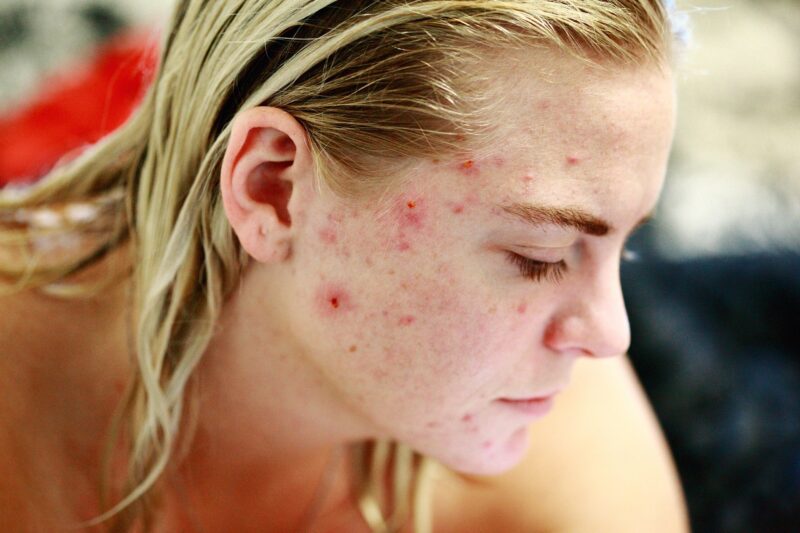
Acne: Causes, Types, and Science-Backed Treatments
Acne is one of the most prevalent dermatological conditions worldwide. According to the American Academy of Dermatology, 85% of the population, between the ages of 12 and 24, experiences acne. However, acne does not end at this early age, but rather continues into adulthood.
Acne, despite its high prevalence, is one of the least understood dermatological conditions. Many believe that acne is caused by poor hygiene. However, science reveals that the true cause of acne is the combination of hormones, oil, bacteria, inflammation, and clogged pores.
In the following guide, we shall discuss the true causes of acne, the major types of acne, and the scientifically proven treatments for acne.
What Is Acne?
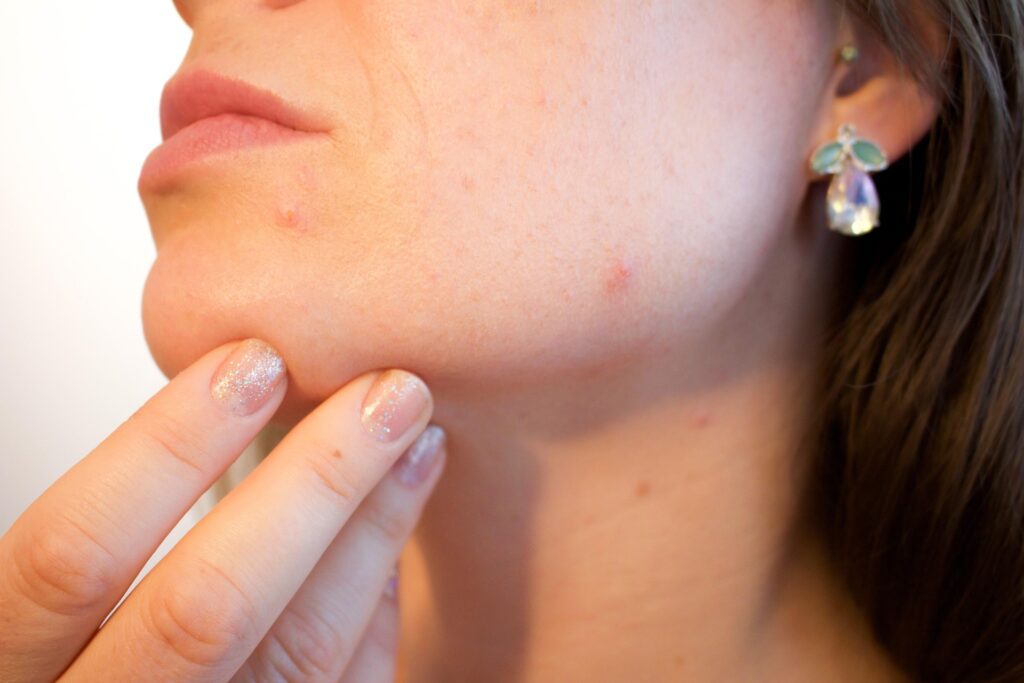
Acne is a skin disease that is characterized by inflammation and is caused by hair follicles being clogged with oil, dead skin cells, and bacteria.
According to Dr. Joshua Zeichner, the director of cosmetic and clinical research in dermatology at Mount Sinai Hospital:
“Acne forms when excess oil and dead skin cells block the pores, causing bacteria to flourish and leading to inflammation.”
This results in various forms of acne, ranging from blackheads and whiteheads to pimples, cysts, and nodules.
The common places where acne is likely to occur include:
- Face
- Forehead
- Chest
- Back
- Shoulders
These places have the highest concentration of oil glands, hence the likelihood of acne occurring.
Main Causes of Acne
01. Excess Sebum (Oil) Production
The glands are responsible for the production of sebum, an oily substance that moisturizes the skin. Excess sebum, however, clogs the pores of the skin, resulting in acne.
According to a study published in the Journal of Clinical and Aesthetic Dermatology, people with acne tend to have high sebum production rates, thus the possibility of clogged pores is high.
02. Hormonal Changes
Hormones have a major role to play in the occurrence of acne.
During puberty, the body produces more androgens, which stimulate the oil glands to increase sebum production.
Hormonal acne can also occur in the following cases:
- Menstrual cycles
- Pregnancy
- Polycystic ovary syndrome
- Stress, which affects hormone production
According to Dr. Whitney Bowe, a dermatologist, “Hormones increase oil production and inflammation in the skin, which can trigger persistent acne.”
03. Clogged Hair Follicles
Normally, dead skin cells are shed from the skin’s surface. However, if the cells combine with excessive oil, they clog the pores, resulting in comedones (blackheads and whiteheads).
In the British Journal of Dermatology, research indicates that abnormal skin cells shedding contribute to the formation of acne.
04. Bacteria Growth
There is a type of bacteria that naturally lives on the skin and is called Cutibacterium acnes, or C. acnes for short. When the pores get clogged, this bacteria grows and causes the inflammation.
This leads to red, swollen pimples and pustules.
05. Inflammation
Inflammation is also a major contributor to the severity of acne. This is because when the immune system reacts to the presence of bacteria and clogged pores, it produces chemicals that lead to the inflammation, redness, and pain associated with acne.
According to a study published in the Journal of Investigative Dermatology, inflammation can occur before the emergence of acne symptoms.
06. Diet and Lifestyle Factors
Even though diet is not the cause of acne, some food items may trigger or aggravate it in some people.
A study done by the American Journal of Clinical Nutrition revealed that food items with high levels of sugar, like cookies and white bread, may cause the severity of acne to increase due to the level of insulin in the body.
Other lifestyle factors that cause acne are:
- Chronic stress
- Poor sleep
- Too much product used on the face
- Too much sweating and not washing the face
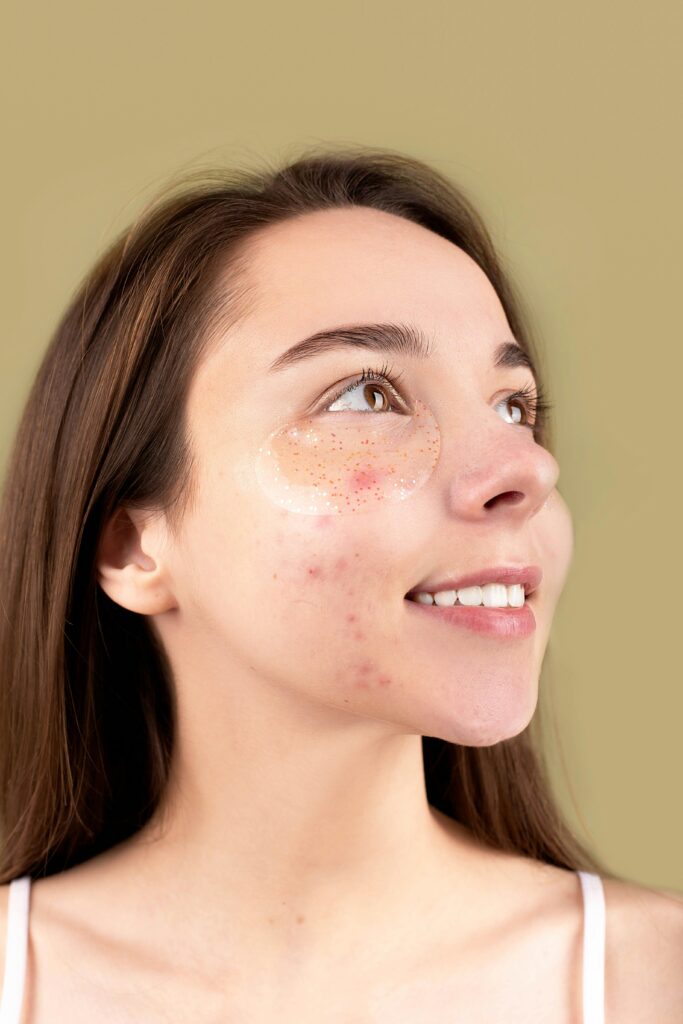
Types of Acne
01. Blackheads (Open Comedones)
Blackheads form due to clogged pores, which remain open. The black color does not come from dirt. Instead, the combination of oil and dead cells turns black due to exposure to air.
Blackheads occur on the nose, chin, and forehead.
02. Whiteheads (Closed Comedones)
Whiteheads form when pores are clogged and closed by a thin layer of skin, creating small white bumps.
These are common in oily skin types.
03. Papules
Papules are small red bumps without pus caused by inflammation in the skin.
They may feel tender or painful when touched.
04. Pustules
Pustules are the classic pimples filled with pus, usually with a white or yellow center surrounded by redness.
05. Nodules
Nodules are hard, painful, and large lumps under the skin. They occur due to severe inflammation caused by clogged pores.
Most nodules need medical treatment.
06. Cystic Acne
Cystic acne is the most severe type of acne. It consists of pus-filled acne that can cause scarring.
Treatments
01. Salicylic Acid
Salicylic acid is a beta hydroxy acid, commonly referred to as BHA, which is known to enter pores and eliminate extra oil and dead skin cells.
According to dermatology studies, is known to:
- Reduce blackheads and whiteheads
- Unclog pores
- Reduce inflammation
02. Benzoyl Peroxide
Benzoyl peroxide works by killing acne-causing bacteria and reducing inflammation.
Research published in the Journal of the American Academy of Dermatology confirms that benzoyl peroxide significantly reduces inflammatory acne lesions.
It is commonly found in:
- Acne cleansers
- Spot treatments
- Prescription creams
03. Retinoids (Vitamin A Derivatives)
Topical retinoids, which include adapalene and tretinoin, assist in cell turnover and the prevention of clogged pores.
According to Dr. Shari Lipner, a dermatologist with Weill Cornell Medicine:
“Retinoids are considered one of the most effective treatments for both acne and acne prevention.”
Retinoids also help in improving the texture of the skin and getting rid of acne scars.
04. Niacinamide
Niacinamide is a form of Vitamin B3 that has been proven to have the following benefits:
Reduce inflammation
Regulate oil production
Improve skin barrier function
A study published in the International Journal of Dermatology found that niacinamide significantly reduces acne lesions and redness.
05. Oral Medications (For Severe Acne)
The medications that a dermatologist may prescribe are:
- Oral antibiotics
- Hormonal therapy (birth control pills or spironolactone)
- Isotretinoin for severe cystic acne
These treatments are typically used when topical treatments are not effective.
Tips to Prevent Acne
In addition to medical treatments, proper skincare habits can help control breakouts.
Dermatologists recommend:
- Washing your face twice daily with a gentle cleanser
- Avoiding heavy, pore-clogging cosmetics
- Using non-comedogenic skincare products
- Not touching or picking pimples
- Managing stress and getting enough sleep
- Wearing sunscreen daily
Dr. Whitney Bowe emphasizes:
“Consistent skincare habits are just as important as acne medications for maintaining clear skin.”
When to See a Dermatologist
If acne is:
- Painful
- Persistent
- Causing scars
- Not responding to over-the-counter treatments
It is best to consult a dermatologist. Early treatment can prevent long-term skin damage and scarring.