
Rice Water for Skin: Benefits, Risks And Science
Natural skincare trends are on the rise around the world, and none have received as much hype as the use of rice water for the skin. It is said to be a miracle toner for a glowing, smooth, and youthful complexion.
But does it really work?
In this comprehensive article, we will explore:
- What is present in rice water
- Scientifically proven benefits
- Dermatologist opinions
- Risks associated with its use
- How to use it
- Who should not use it
Let’s get into the facts.
What Is Rice Water?
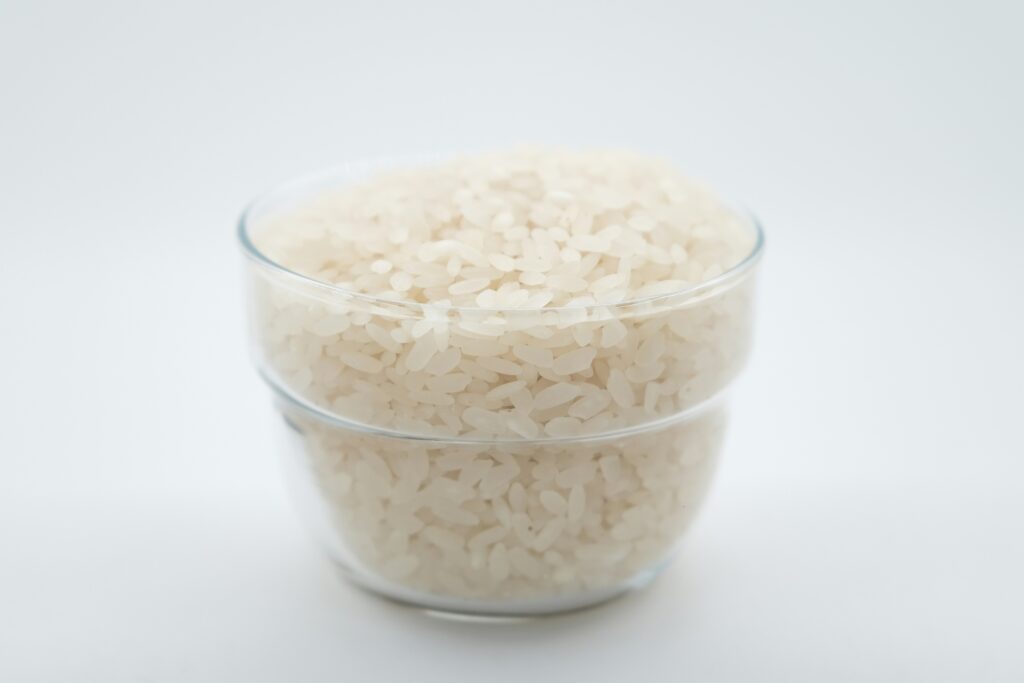
Rice water refers to the starchy water obtained after soaking, rinsing, and boiling rice. In the past, Japanese women during the Heian period in Japan used rice water to keep their hair long and glossy and their skin smooth.
Rice water in contemporary beauty routines is used for its content of:
- Amino acids
- Vitamins B and E
- Ferulic acid
- Inositol (a carbohydrate)
- Antioxidants
These compounds are believed to contribute to hydration, skin barrier support, and anti-aging effects.
What Does Science Say?
While rice water has been used for centuries, science is still in the early stages of researching its benefits.
According to a study in the International Journal of Cosmetic Science, rice water extracts have been found to have antioxidant properties and to have the potential to inhibit elastase, an enzyme that breaks down elasticity in the skin.
Another study in cosmetic science, done by MDPI, found that rice water may have benefits for the skin’s barrier and hydration levels.
However, according to dermatologists, “the majority of the studies have been small and have been done in a controlled environment,” and therefore rice water should not be used in place of other treatments.
Benefits of Rice Water for Skin
01. Antioxidant Protection & Anti-Aging Support
The rice water is rich in antioxidants like ferulic acid and phenolic compounds. Antioxidants are substances that fight free radicals, which are unstable molecules that promote skin aging.
According to dermatology studies, antioxidants play a key role in slowing down the degradation of collagen and elastin. Rice water, although not as effective as medical-grade antioxidants like vitamin C, has antioxidants that offer a degree of protection.
What this means: It might help maintain a youthful glow, but don’t anticipate a miracle cure for wrinkles.
02. Skin Barrier Support
Your skin barrier protects you from moisture loss and environmental damage. If the barrier is damaged, you experience dryness, irritation, and sensitivity.
The presence of starches and amino acids in the rice water can form a thin protective layer on the skin. This can make the skin smoother and decrease the loss of moisture.
Dermatologists say that well-hydrated skin makes the face look smoother and more youthful.
Best for: Dryness, dullness, and sensitivity.
03. Soothing Irritation and Redness
There are a few minor dermatological studies that suggest that the use of rice water can be helpful for soothing inflamed skin because of its mild anti-inflammatory properties.
One of the main compounds of the water, Inositol, has also been researched for its ability to promote cell growth and repair, which could be the cause of the positive effects that people have reported for soothing irritation or redness.
People with eczema or rosacea should consult a dermatologist, however.
04. Oil Control and Acne Support
Rice water has a slightly astringent quality. This implies that it may tighten the look of pores and minimize oil buildup.
In theory, this may minimize oil buildup and, in turn, minimize breakouts of acne. However, there is limited evidence to support the fact that rice water cures acne.
According to dermatologists, natural treatments like rice water cannot substitute for:
- Benzoyl peroxide
- Salicylic acid
- Prescription retinoids
Rice water works for mildly oily skin.
05. Brightening and Texture Improvement
Also, several people claim that rice water helps to brighten the complexion. This might be because of its light scrubbing and moisturizing properties.
Fermented rice water might have more antioxidants, which might help to firm the complexion over time.
But rice water does not directly stop the production of melanin like niacinamide and vitamin C.
Fermented vs. Regular Rice Water
There are three common types:
1. Soaked Rice Water
Rice soaked for 30 minutes and strained.
2. Boiled Rice Water
Leftover water from cooking rice.
3. Fermented Rice Water
Rice water left at room temperature for 24–48 hours to ferment.
Fermentation may increase antioxidant levels, but improper fermentation can introduce harmful bacteria.
Dermatologists recommend refrigeration and limited storage (maximum 5–7 days).
Risks and Side Effects of Rice Water
Natural does not always mean safe.
1. Skin Dryness
Overuse can disrupt your skin’s natural pH and strip protective oils, especially in dry or mature skin types.
2. Irritation & Allergic Reaction
Though rare, some individuals may develop redness or itching. Always perform a patch test behind the ear or on the wrist.
3. Breakouts
Thick or unfiltered rice water can clog pores if not rinsed properly.
4. Bacterial Contamination
Homemade rice water stored improperly can grow bacteria, increasing infection risk.
5. Not Suitable for All Skin Types
People with:
- Severe acne
- Rosacea
- Fungal acne
- Highly sensitive skin
Should consult a dermatologist before use.
How to Use Rice Water Safely
Step 1: Preparation
- Rinse ½ cup rice thoroughly.
- Soak in 1–2 cups filtered water for 30 minutes.
- Strain into a clean container.
- Refrigerate immediately.
Step 2: Application
- Apply as toner with cotton pad.
- Leave for 10–15 minutes.
- Rinse (especially if you have sensitive skin).
- Follow with moisturizer.
Use 2–3 times weekly.