
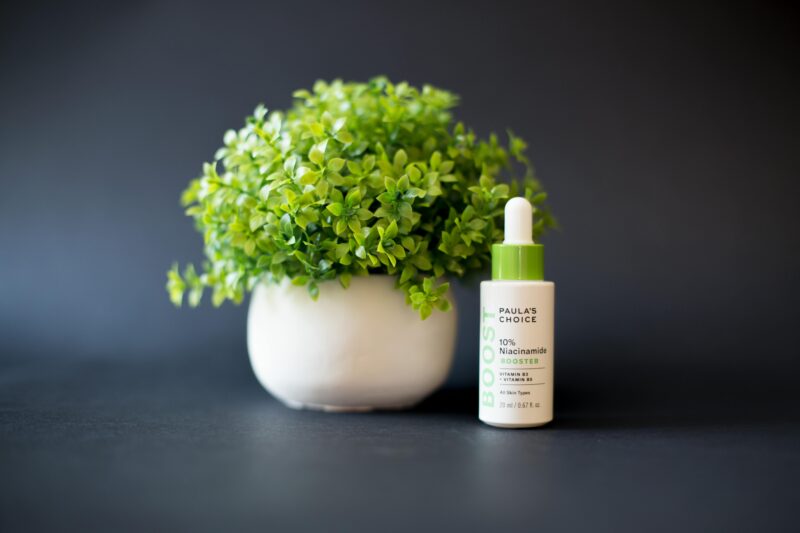
Niacinamide: Benefits, Myths, and Who Should Use It
Niacinamide, a derivative of vitamin B3, has emerged as one of the most popular skincare ingredients in recent times. Whether it is reducing inflammation or improving the skin barrier. Its dealing with skin discoloration and sebum production. The uses of niacinamide are diverse and supported by scientific evidence. However, despite its popularity, several myths and misconceptions continue to exist on the internet.
In this detailed guide, we will take you through the uses of niacinamide. We will dispel several myths and misconceptions with the help of scientific explanations. This article will guide you on who should use it and how.
What Is Niacinamide?
Niacinamide is a water-soluble form of vitamin B3, which occurs naturally in the body but is also commonly used in topical creams to help the skin. It has cellular benefits that help to improve the barrier function of the skin.
In a study published in Current Pharmaceutical Biotechnology, the anti-inflammatory, antioxidant, and barrier-enhancing effects of niacinamide are discussed.
Top Benefits
01. Hydrates and Strengthens the Skin Barrier
One of the main advantages of niacinamide is its ability to increase ceramide levels, which are lipids that help to maintain the skin barrier.
As dermatologists claim, niacinamide “helps build keratin, a protein that is crucial for healthy skin, making it smoother, brighter, and more resilient.”
02. Reduces Inflammation and Redness
Niacinamide also has established anti-inflammatory properties, which can help soothe redness caused by acne, rosacea, and eczema. This makes it a good ingredient for sensitive or reactive skin, which may not be able to handle more potent active ingredients.
03. Regulates Oil Production
Research shows that the niacinamide in the product has the ability to decrease excessive sebum production, which is a common cause of clogged pores and acne. This product would be ideal for people with oily and combination skin.
04. Improves Texture, Pores & Tone
Niacinamide helps to promote more even-toned skin by improving skin texture and reducing the appearance of visible pores. It does not work to actually reduce the size of the pores, but it can make them appear smaller by keeping the skin around the pores smooth.
05. Brightens and Reduces Hyperpigmentation
According to clinical reviews, niacinamide is also effective in preventing the transfer of melanosomes, which helps to reduce dark spots and skin discoloration.
Niacinamide is, therefore, a gentle skin care ingredient for people dealing with post-acne marks, dark spots, or dull skin.
06. Compatible With Most Skin Types
Unlike harsher acids or retinoids, niacinamide is generally well-tolerated across a wide range of skin types. It ranges from oily and acne-prone to dry and sensitive skin.
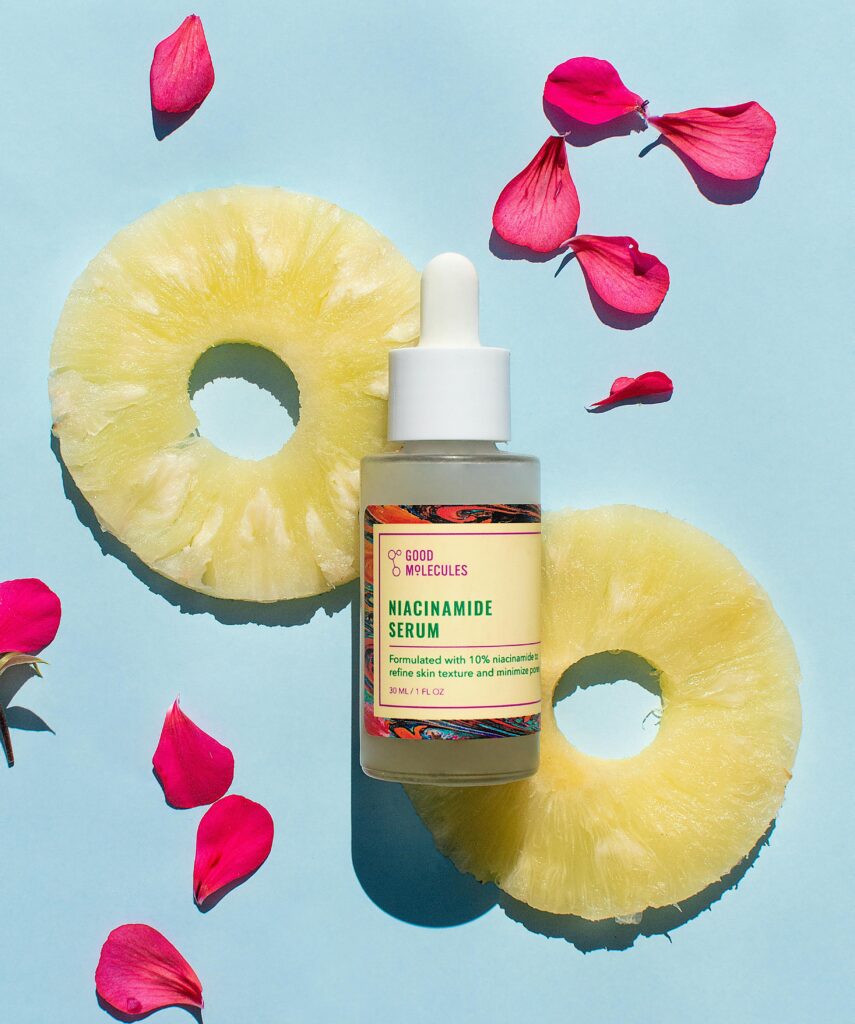
Common Myths
Myth 1: Niacinamide and Vitamin C Can’t Be Used Together
Truth: This is a result of the outdated research from the 1960s. Current stabilized versions of both ingredients are safe to use together and may even have a synergistic effect.
Myth 2: Higher Percentage Means Better Results
Truth: More is not always better. Concentrations ranging from 2-5% have been proven to be effective in dealing with most skin issues. A concentration that is too high (above 10%) may sometimes irritate sensitive skin.
Myth 3: Niacinamide Causes Overnight Results
Truth: Niacinamide is not a quick fix. Like most skincare actives, visible improvements take weeks, usually 4–8 weeks of consistent use.
Myth 4: Niacinamide Causes Purging
Truth: Purging is a result of cell turnover due to exfoliating acids or retinoids, not niacinamide. If you experience breakouts, irritation or another product is usually the cause.
Who Should Use Niacinamide?
01. Oily & Acne-Prone Skin
It regulates oil production and helps reduce breakouts without drying the skin.
02. Sensitive or Reactive Skin
Its anti-inflammatory properties soothe redness and irritation.
03. Aging or Mature Skin
Helps improve elasticity, strengthen barrier function, and reduce signs of aging over time.
04. Dull or Uneven Tone
Aids in brightening and reducing dark spots when used consistently.
How to Use Niacinamide Effectively
Here’s a basic routine to include niacinamide:
- Cleanser: Begin with gentle skin care.
- Niacinamide Serum: Use 2-5% niacinamide after cleansing but before thicker creams.
- Moisturizer: Seal everything in.
- Sunscreen (AM): Always end with SPF to protect your results.
Tip: Niacinamide works well with hyaluronic acid, ceramides, vitamin C, and gentle retinoids. If you are using harsh acids, use niacinamide at a different time to reduce irritation.