

Fitness Habits of Highly Fit People: Science-Backed Routines
Fit individuals do not count on motivation alone but on habits that are supported by physiology and science. Studies show that health and fitness are created from daily habits, not short-term bursts of intensity.
The following are the habits of physically fit individuals that are supported by science:
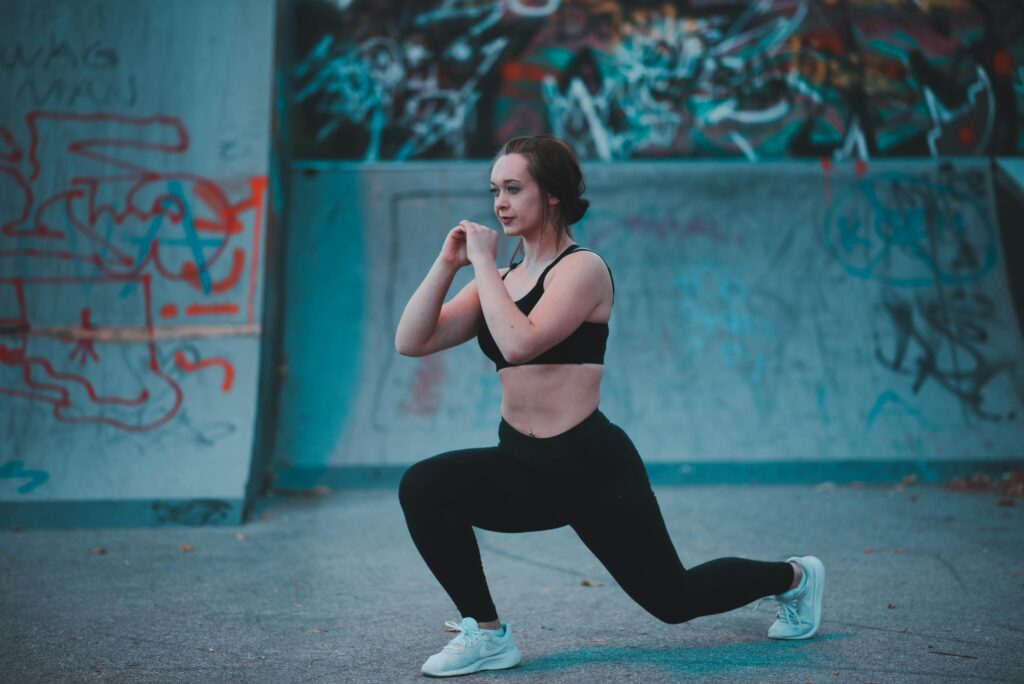
01. They Follow Consistency Over Intensity
One of the best predictors of fitness success is the regular engagement in physical activity. According to the World Health Organization, adults should aim to do at least 150-300 minutes of moderate physical activity per week or 75-150 minutes of vigorous activity per week, along with strength training exercises twice a week.
People who are very fit do not usually miss physical activity for extended periods of time. They focus on attendance rather than perfection.
Evidence: Regular moderate physical activity has been shown to be more effective than intermittent vigorous exercise (WHO Physical Activity Guidelines, 2020).
Important habit: Treat exercise as an appointment.
02. They Train Strength Regularly
Strength training is a common practice among very fit people of all ages and both sexes. Resistance training enhances muscle size, metabolism, bone density, and life span.
Recommendation: The American College of Sports Medicine suggests that major muscle groups should be exercised at least twice a week. Studies also demonstrate that resistance training can lower the risk of chronic diseases such as type 2 diabetes and cardiovascular disease.
Evidence: A 2019 Sports Medicine review concluded that muscle-strengthening activities are associated with reduced mortality.
Important habit: You should be Engaging in full-body strength training on a regular basis.
03. They Prioritize Recovery as Much as Training
Very fit individuals recognize that adaptation occurs during recovery, not during exercise. Recovery encompasses sleep, hydration, nutrition, and rest days.
The Centers for Disease Control and Prevention recommend that adults sleep 7 to 9 hours per night for optimal health. Lack of sleep impacts muscle recovery, hormone regulation, and physical function.
Evidence: Studies conducted at Harvard T.H. Chan School of Public Health demonstrate that chronic sleep deprivation has a negative impact on metabolism and body composition.
Important habit: Sleep is performance training.
04. They Follow Progressive Overload
Progress in fitness is achieved when the body is subjected to a gradual overload beyond its present capabilities. This concept is termed progressive overload and is a cornerstone of exercise science.
Fit people vary their training intensity by manipulating resistance, number of repetitions, volume, or intensity.
Evidence: Progressive overload is considered a necessary component of muscular adaptation and strength development by the National Strength and Conditioning Association.
Important habit: Keep a record of training and strive for small increments of progress each week.

05. They Move Throughout the Day
Fitness is not just about exercising. Very fit individuals have high levels of activity throughout the day, including walking, standing, and other physical activities.
Studies on non-exercise activity thermogenesis (NEAT) indicate that daily physical activity has a major effect on metabolism and energy expenditure.
Evidence: Studies compiled by the Mayo Clinic indicate that higher levels of daily physical activity are associated with weight control and good cardiovascular health.
Important habit: Limit your sitting time and remain physically active.
06. They Focus on Nutrition Quality, Not Extremes
Very fit people usually practice balanced eating patterns and not restrictive or short-term diets. They focus on whole foods, proper protein consumption, and healthy eating habits.
The Harvard T.H. Chan School of Public Health suggests eating patterns that are high in vegetables, fruits, lean proteins, whole grains, and healthy fats for optimal health and performance.
Evidence: Proper protein consumption helps in maintaining and recovering muscles during training.
Key habit: Eat for performance and sustainability.
07. They Set Clear Goals and Monitor Progress
Setting goals is closely linked to long-term exercise compliance. Elite athletes set measurable goals like strength, endurance, or training intensity.
Behavioral science demonstrates self-monitoring as a powerful method to enhance adherence to healthy behaviors.
Evidence: The American College of Sports Medicine recommends goal planning and monitoring to enhance exercise compliance.
Key habit: Monitor exercise, body measurements, or performance indicators.
08. They Train for Health, Not Just Appearance
Whereas, for beginners, beauty might be a driving force, but for highly fit people, function, strength, and health benefits are of utmost importance.
Exercise has been shown to lower the risk of heart disease, boost mental health, and add years to one’s life.
Evidence: According to the World Health Organization, regular physical activity can lower the risk of early death by as much as 30%.
Most important habit: Emphasize performance, mobility, and health.
09. They Maintain Discipline, Not Motivation
Motivation fluctuates. Habits do not. Highly fit people build structured routines that reduce reliance on mood or inspiration.
Behavioral science research shows that routine-based actions require less mental effort over time, improving adherence.
Evidence: Habit formation research from University College London indicates consistent repetition in stable contexts leads to automatic behavior.
Key habit: Make fitness a default behavior.
10. They Adapt Their Training Over Time
Highly fit individuals adjust training based on age, goals, recovery capacity, and lifestyle changes. They periodize training, incorporate deload weeks, and prevent overtraining.
Evidence: The American College of Sports Medicine emphasizes individualized exercise programming for optimal results and injury prevention.
Key habit: Train intelligently, not just harder.
Key Takeaways
Scientific evidence consistently shows that highly fit people share common behavioral patterns:
• Consistent weekly exercise
• Strength training as a foundation
• Prioritized recovery and sleep
• Progressive overload
• Daily movement beyond workouts
• Balanced nutrition
• Clear goals and tracking
• Long-term health mindset
Fitness is not defined by extreme routines but by sustainable habits repeated over time.