
Aloe Vera for Skin: Benefits, Uses, and Warnings
Introduction:
Aloe vera has been used for skin care for centuries. Ancient cultures valued it for healing wounds, soothing burns, and improving skin health. Today, modern science supports many of these traditional uses.
People use aloe vera for hydration, acne control, sunburn relief, and anti-aging. Dermatologists also recommend it for calming irritated and sensitive skin. However, aloe vera is not perfect for everyone. Incorrect use or low-quality products can cause irritation and dryness.
We will discuss about benefits of aloe vera for skin, how to use it correctly, and also the important warnings you must know.
What Is Aloe Vera?
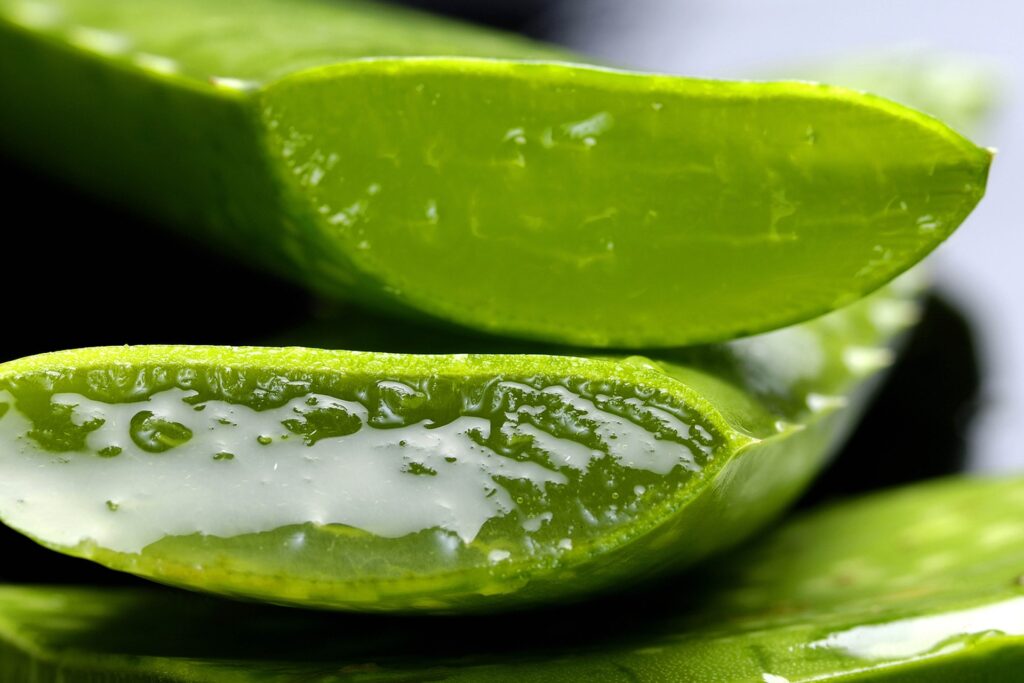
Aloe vera is a succulent plant with thick green leaves filled with a clear gel. This gel contains more than 75 active compounds, including:
- Vitamins A, C, and E (antioxidants)
- Vitamin B12 and folic acid
- Enzymes that reduce inflammation
- Amino acids that support skin repair
- Polysaccharides that help retain moisture
These compounds explain why aloe vera works for many skin problems.
Benefits:
01. Deep Hydration Without Oiliness
Aloe vera is a natural humectant. It pulls water into the skin and locks in moisture. Unlike heavy creams, aloe vera does not clog pores or feel greasy.
Studies show aloe vera improves skin hydration and elasticity, especially in dry and dehydrated skin.
Best for:
Dry skin, oily skin, combination skin, dehydrated skin
02. Helps Treat Acne and Pimples
Aloe vera has antibacterial and anti-inflammatory properties. Research shows it reduces acne-causing bacteria while calming redness and swelling.
Dermatologists often recommend aloe vera alongside acne treatments like benzoyl peroxide or salicylic acid because it reduces irritation and speeds healing.
Best for:
Mild to moderate acne, inflamed pimples, sensitive acne-prone skin
03. Soothes Sunburn and Skin Burns
Aloe vera is widely used for sunburn relief. It cools the skin, reduces inflammation, and supports wound healing. Studies show aloe vera increases collagen production and improves skin repair after burns.
Doctors often recommend aloe vera for first-degree and mild second-degree burns.
Best for:
Sunburn, heat rash, mild burns, post-sun exposure care
04. Slows Down Signs of Skin Aging
Aloe vera stimulates collagen and elastin production. Clinical studies show regular use improves wrinkles, fine lines, and skin firmness, especially in aging skin.
Its antioxidants also protect the skin from free radical damage caused by UV rays and pollution.
Best for:
Fine lines, dull skin, early signs of aging
05. Calms Sensitive and Irritated Skin
Aloe vera reduces itching, redness, and inflammation. Dermatologists suggest it for people with sensitive skin, mild eczema, or irritation caused by skincare products.
It also helps calm the skin after cosmetic procedures like chemical peels or shaving.
Best for:
Sensitive skin, redness, post-treatment care

06. Supports Wound Healing and Scar Repair
Aloe vera speeds up wound healing by increasing blood flow to damaged areas and supporting collagen synthesis. Some studies show it may help reduce the appearance of minor scars over time.
Best for:
Minor cuts, razor bumps, healing scars
How to Use Aloe Vera for Skin Safely
01. As a Daily Moisturizer
Apply a thin layer of pure aloe vera gel on clean, damp skin. Let it absorb fully before applying sunscreen or makeup.
This works well for morning and night routines.
02. Aloe Vera Face Mask
Use aloe vera gel alone or mix it with:
- Honey for hydration
- Rose water for soothing
- A few drops of vitamin E for anti-aging
Apply for 10–15 minutes, then rinse with lukewarm water. Use once or twice a week.
03. Acne Spot Treatment
Apply a small amount of aloe vera gel directly on pimples at night. Leave it overnight to reduce redness and swelling.
04. After-Sun and Burn Care
Chill aloe vera gel in the refrigerator and apply generously to sunburned areas for instant cooling and relief.
05. Makeup Primer or Gel Base
Aloe vera can act as a lightweight primer for oily skin. Apply a thin layer before foundation for smoother application.
Warnings and Side Effects of Aloe Vera
Despite its natural image, aloe vera can cause problems if used incorrectly.
01. Allergic Reactions Are Possible
Some people experience burning, itching, redness, or rash. This is more common in people allergic to plants like onions or garlic.
02. Overuse Can Dry the Skin
Using aloe vera too often may strip natural oils. This can worsen dryness, especially in people with eczema or very dry skin.
03. Not All Aloe Products Are Safe
Many commercial aloe gels contain:
- Alcohol
- Artificial fragrances
- Synthetic dyes
These ingredients can irritate the skin and cancel aloe’s benefits.
04. Avoid Aloe Vera on Deep or Infected Wounds
Do not apply aloe vera on deep cuts, open wounds, or infected skin without medical advice. It may delay proper healing.
How to Choose the Best Aloe Vera Product
When buying aloe vera gel, look for:
- Aloe vera listed as the first ingredient
- Alcohol-free and fragrance-free formulas
- Clear or slightly cloudy gel (not bright green)
- Short ingredient list
Fresh aloe gel from the plant is best if prepared hygienically.
Who Should Avoid Aloe Vera for Skin?
- People with known plant allergies
- Those with severe eczema or broken skin
- Anyone who feels burning or itching after use
If irritation occurs, stop using it immediately and consult a dermatologist.