
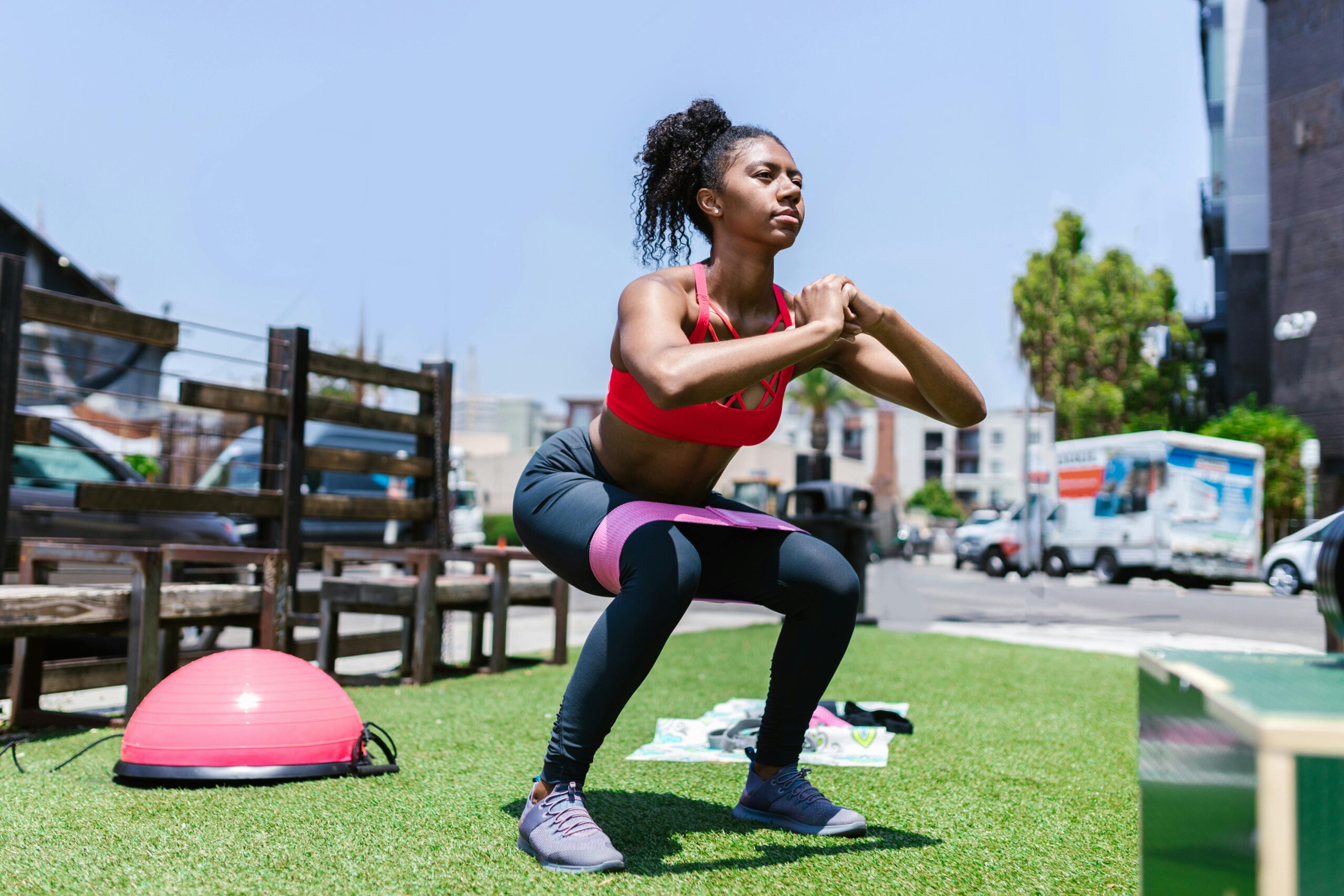
10 Science-Backed Benefits of Squats
Introduction: Why Squats Are the King of All Exercises
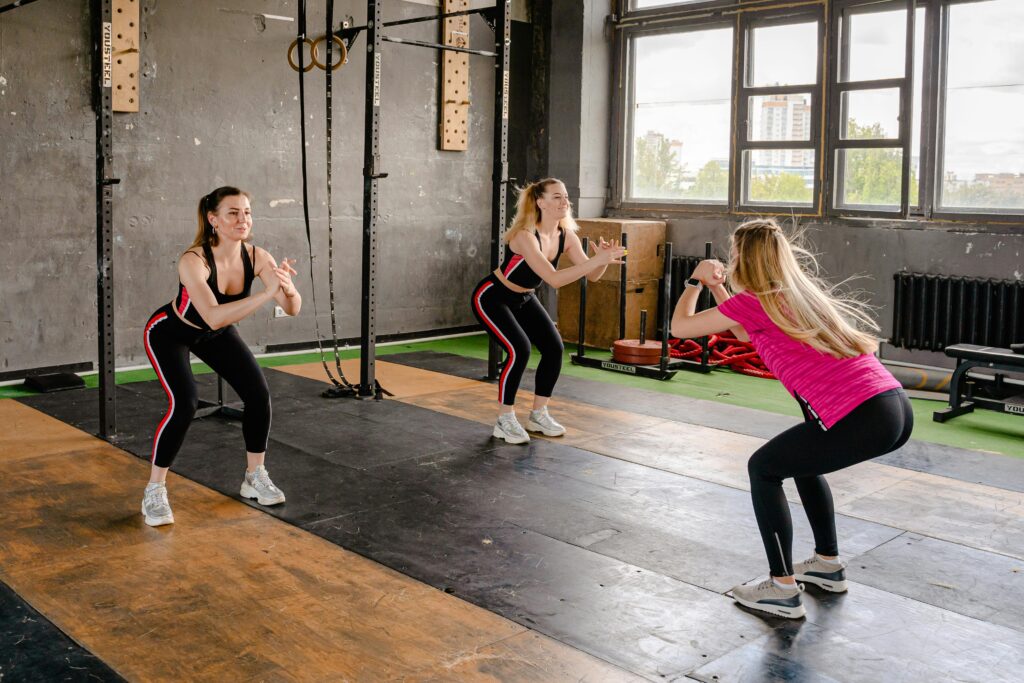
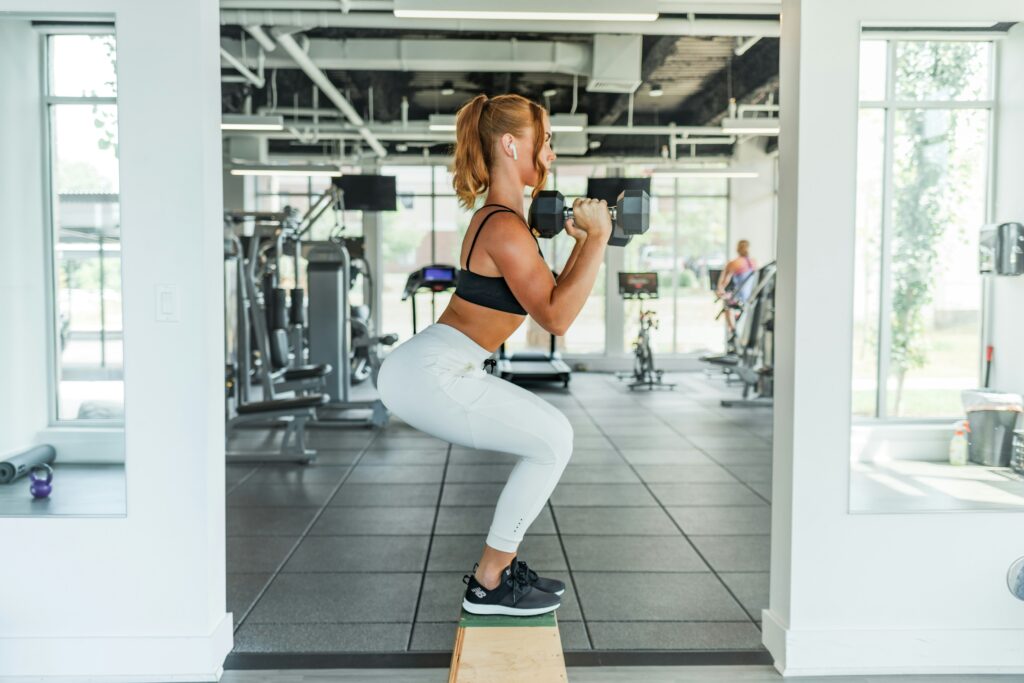
When it comes to strength training, few exercises match the power, versatility, and full-body impact of squats. From athletes to beginners, fitness experts universally agree that squats are one of the most effective functional movements for building strength, burning fat, and improving mobility. But the real power of squats isn’t just in how they feel, it’s in the science behind them.
In this article, we break down 10 science-backed benefits of squats, supported by research, biological mechanisms, and expert opinions.
01. Squats Build Total Lower-Body Strength
The most obvious benefit of squats is massive lower-body strength. Squats recruit major muscle groups including:
- Quadriceps
- Glutes
- Hamstrings
- Calves
- Hip stabilizers
A study published in the Journal of Strength and Conditioning Research found that squats activate more muscle fibers in the lower body than leg press and other machine-based exercises. This makes them the superior choice for functional strength development.
Expert Insight:
Dr. Brad Schoenfeld, PhD in exercise science, states:
“Squats produce high levels of mechanical tension and metabolic stress, both essential drivers of muscle growth.”
02. Squats Enhance Core Strength & Stability
One of the underrated benefits of squats is how much they work your core muscles, including your:
- Abdominals
- Obliques
- Lower back muscles
According to research from the National Strength and Conditioning Association (NSCA), squats activate the core more effectively than traditional ab exercises like crunches.
This helps improve:
- Posture
- Balance
- Spinal stability
- Injury prevention
03. Squats Boost Hormone Production
Squats stimulate the release of key anabolic hormones, including:
- Testosterone
- Human Growth Hormone (HGH)
These hormones help with:
- Muscle-building
- Fat-burning
- Tissue repair
- Athletic performance
A study published in Sports Medicine revealed that multi-joint movements like squats produce significantly higher hormonal responses than isolation exercises.
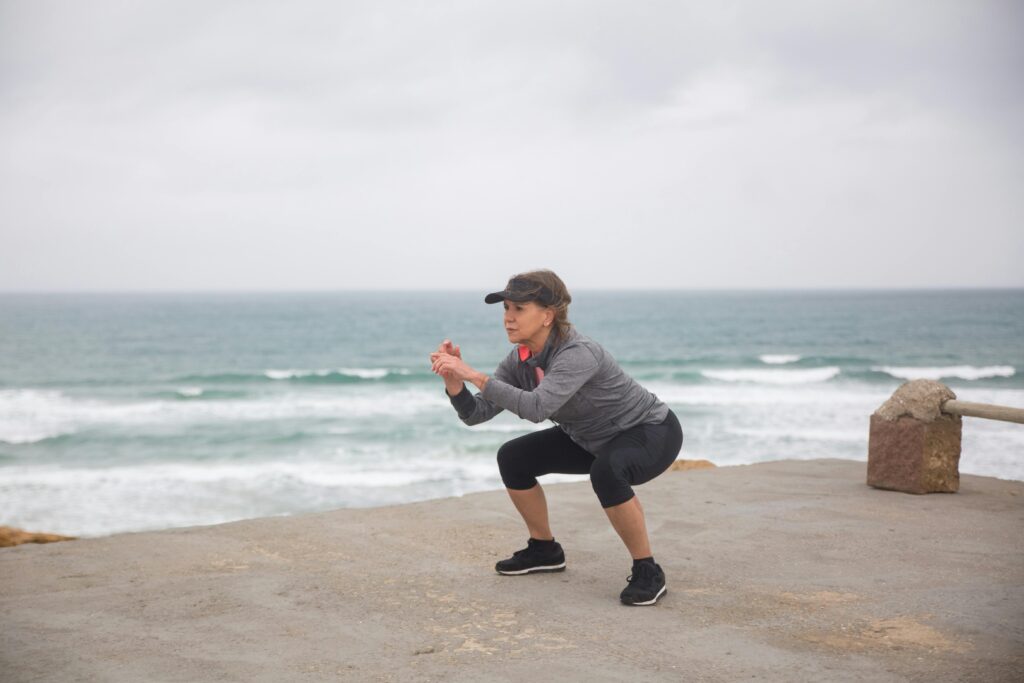
04. Squats Increase Fat Burning & Metabolic Rate
Squats activate large muscle groups, which increases:
- Oxygen demand
- Energy expenditure
- Calorie burn
High-intensity squats can burn up to 32% more calories than upper-body exercises, according to a study by Harvard University.
Since squats increase lean muscle mass, they boost your resting metabolic rate, causing your body to burn more calories even at rest.
05. Squats Improve Mobility & Flexibility
Poor hip, knee, and ankle mobility is common due to long sitting hours. Squats work to reverse this.
Squats improve:
- Hip joint mobility
- Knee joint stabilization
- Ankle flexibility
- Lower-body alignment
The deep squat position increases synovial fluid circulation, which nourishes joints and reduces stiffness.
Physical therapist Dr. Kelly Starrett famously said:
“If you can’t squat, you don’t have full access to your hips. And if you don’t have full hip function, your movement is compromised.”
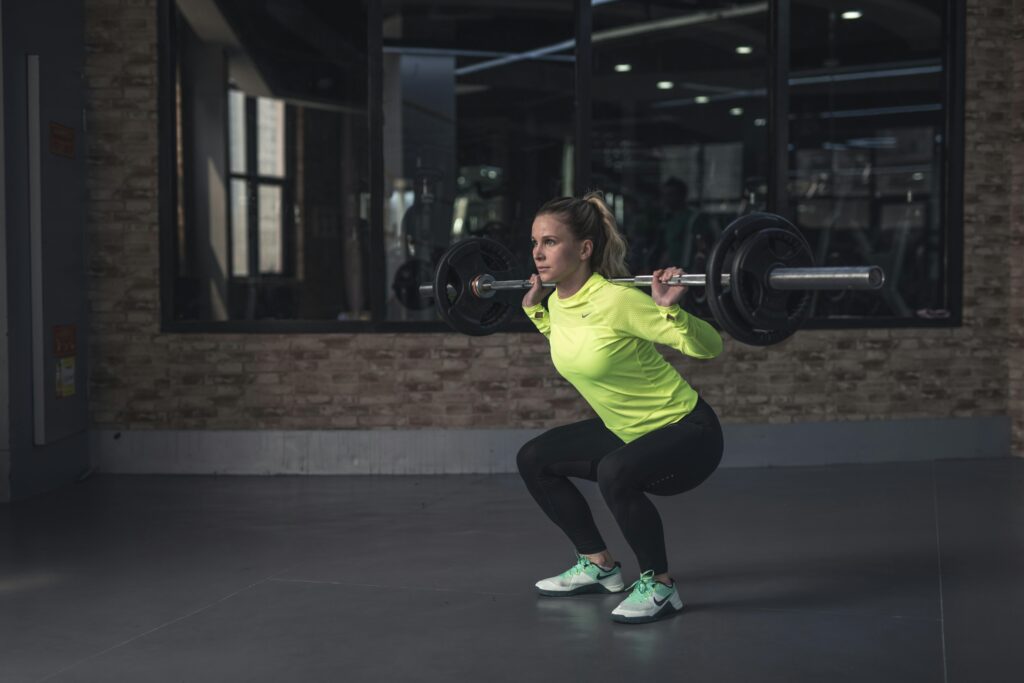
06. Squats Strengthen Connective Tissue
Squats place controlled stress on:
- Ligaments
- Tendons
- Fascia
This controlled load stimulates collagen production and strengthens connective tissue.
A study in the Journal of Applied Physiology confirmed that resistance training movements like squats improve tendon stiffness, leading to better force transfer and reduced injury risk.
07. Squats Improve Functional Strength & Daily Movement
Squats mimic movements you do every day:
- Standing
- Sitting
- Picking up objects
- Climbing stairs
This makes them the perfect functional exercise. Functional strength reduces injuries and improves overall quality of life.
According to the American Council on Exercise:
“Squats are one of the most efficient ways to train the body to move better in real-life activities.”
08. Squats Improve Athletic Performance
Research shows that athletes who incorporate squats experience improvements in:
- Speed
- Jump height
- Sprint power
- Explosive strength
A study in The Journal of Sports Science found that deep squats increased vertical jump by 13%, while shallow squats provided minimal improvement.
09. Squats Improve Bone Density
Weight-bearing exercises like squats stimulate osteoblast activity, helping:
- Build new bone tissue
- Increase bone density
- Reduce osteoporosis risk
This is especially important for women, who naturally lose bone density with age.
10. Squats Enhance Cardiovascular Health
High-rep or weighted squats elevate:
- Heart rate
- VO2 max
- Oxygen delivery
- Cardiovascular endurance
A study in Applied Physiology, Nutrition, and Metabolism found that squatting at moderate intensity boosts cardiovascular health similarly to brisk walking.
Scientific Summary: Why Squats Work
Biologically, squats trigger:
- Mechanical tension → muscle growth
- Metabolic stress → fat loss and endurance
- Hormonal response → increased testosterone & HGH
- Neuromuscular activation → strength and mobility
- Joint lubrication → improved flexibility
This perfect combination makes squats one of the most complete exercises known to human physiology.
Conclusion
The benefits of squats are undeniable, like from building muscle and burning fat to boosting hormones, improving mobility, and strengthening your entire body. Whether you’re a beginner or an athlete, adding squats to your routine is one of the smartest fitness decisions you can make.
If you want one exercise that gives the maximum results with minimal equipment, squats stand at the top.
“Squats aren’t just an exercise, they’re a blueprint for how the human body is meant to move.”